What is Hypertension? 5 Non-Medical Ways to Reduce It
Learn about hypertension, its non-medical management, and essential tests for diagnosis.
By Dr Umar Shafique
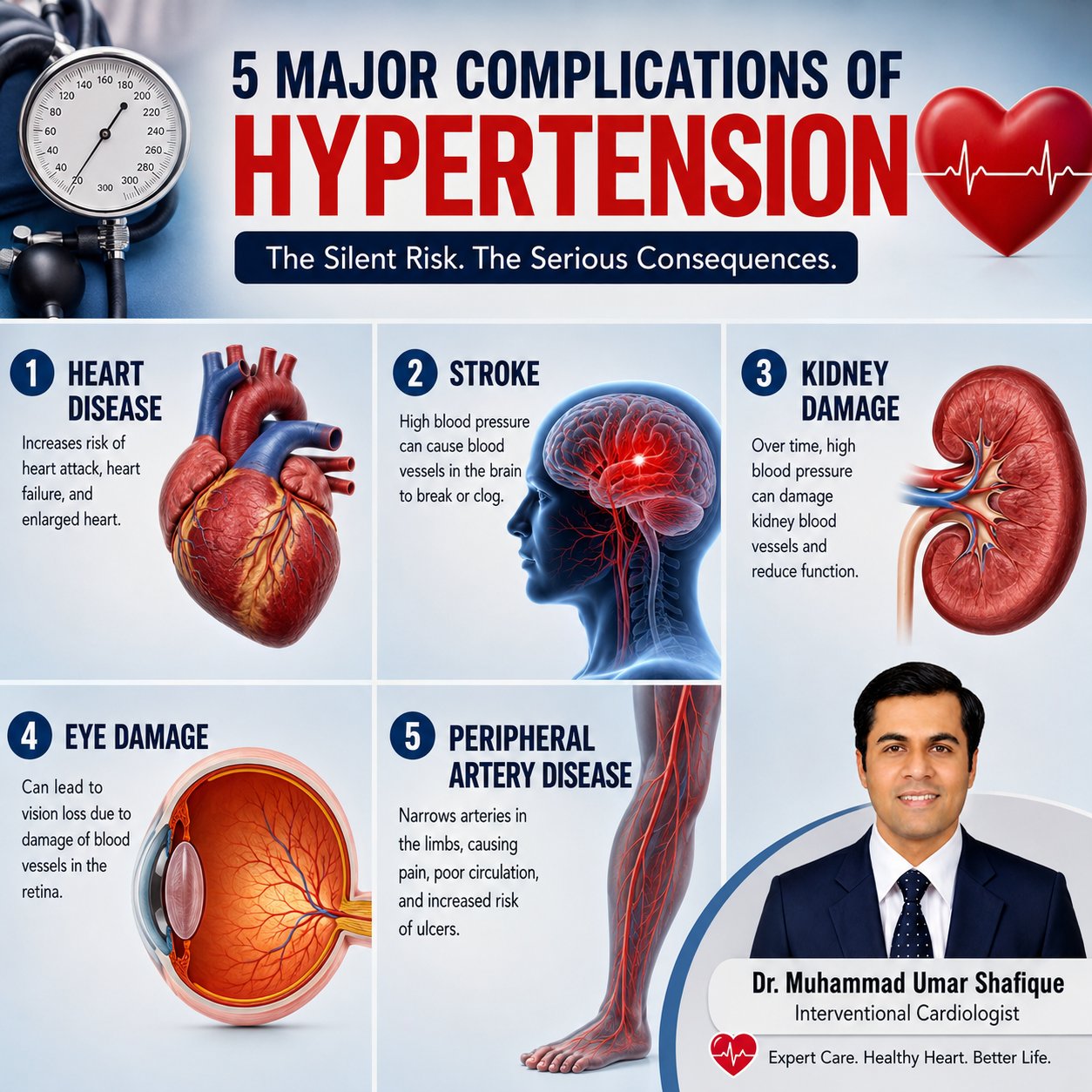
Understanding Hypertension
Hypertension, or high blood pressure, is a condition where the force of the blood against your artery walls is consistently too high. This can lead to serious health issues, including heart disease and stroke. In Pakistan and South Asia, hypertension is becoming increasingly common due to lifestyle factors such as diet and stress.
Non-Medical Methods to Reduce Hypertension
While medications can be necessary for managing hypertension, there are several effective non-pharmacological methods you can adopt:
- Healthy Diet: Embrace a balanced diet rich in fruits, vegetables, whole grains, and low-fat dairy products. The DASH (Dietary Approaches to Stop Hypertension) diet is particularly beneficial.
- Regular Exercise: Aim for at least 150 minutes of moderate exercise weekly. Activities like walking, jogging, or cycling can significantly lower blood pressure.
- Weight Management: Maintaining a healthy weight can reduce the strain on your heart and lower blood pressure.
- Limit Alcohol Intake and stop Smoking: Reducing alcohol consumption can positively impact your blood pressure levels. Similar effect is conferred by quitting smoking/tobacco consumption.
- Stress Reduction: Practice relaxation techniques such as meditation, deep breathing exercises, or yoga to manage stress effectively.
Essential Tests for Hypertension Patients
If you are diagnosed with essential hypertension, it's vital to undergo certain tests at least once in your lifetime:
- Blood Pressure Measurement: Regular monitoring helps track your blood pressure levels over time.
- Blood Tests: These can check for underlying conditions contributing to hypertension, such as kidney function and electrolyte levels.
- ECG (Electrocardiogram): This test measures the heart's electrical activity and can reveal any heart issues.
- Echocardiogram: An ultrasound of the heart to evaluate its structure and function.
- Urinalysis: Tests for kidney function and signs of other health issues.
- Lipid Profile: Measures cholesterol levels, which can be affect health of arteries.
- Blood Sugar Test: To check for diabetes, which is often linked with high blood pressure.
For anyone experiencing symptoms such as chest pain, severe breathlessness, or fainting, urgent medical care is necessary. Don’t hesitate to seek help.
For more information, feel free to contact Dr Umar Shafique Stay informed and proactive about your health!
FAQ
Q: What is hypertension? A: Hypertension is a condition characterized by consistently high blood pressure, which can lead to serious health problems. In modern world it is blood pressure greater than or equal to 130mmHg of systolic BP and/or 80mmHg of diastolic BP.
Q: How can I reduce my blood pressure without medication? A: You can adopt a healthy diet, exercise regularly, manage your weight, limit alcohol and smoking, and reduce stress through relaxation techniques.
Q: What tests should I have if I am diagnosed with hypertension? A: Essential tests include regular blood pressure measurements, blood tests, ECG, echocardiogram, urinalysis, lipid profile, and blood sugar tests.
---
Medical disclaimer. This content is for educational purposes only and is not a substitute for professional medical advice. Always consult a healthcare provider for personalized guidance.
<!-- Internal link suggestions (from AI): hypertension management,contact Dr Umar Shafique,about Dr Umar Shafique -->