Understanding Atrial Fibrillation and Blood Clots
Atrial fibrillation is a common heart rhythm problem. Learn how it can lead to blood clots and the importance of timely treatment.
By Dr Umar Shafique
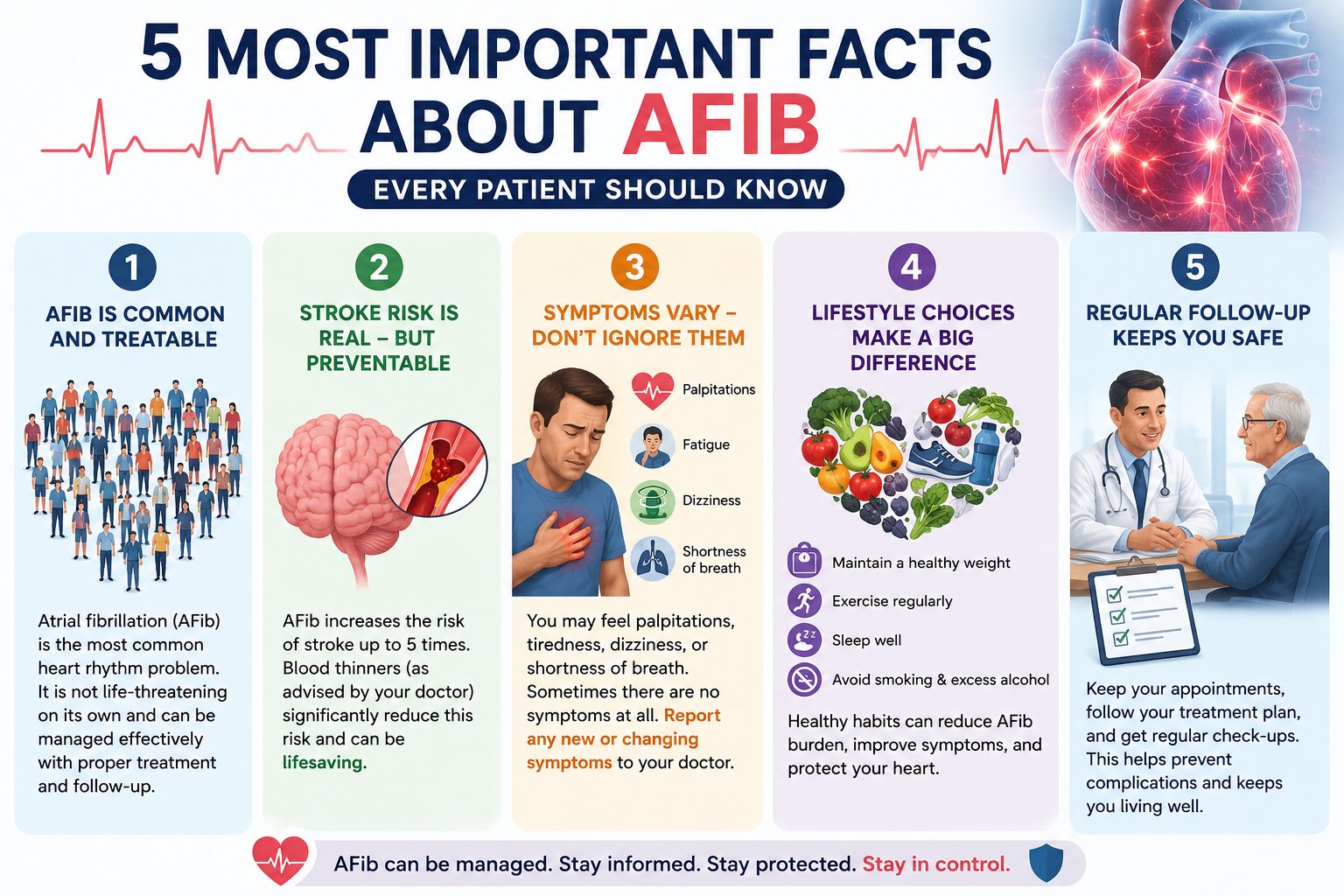
Atrial fibrillation, often called AFib, is a common type of irregular heartbeat. In AFib, the upper chambers of your heart (atria) beat very fast and irregularly, like a quivering motion, instead of a strong, coordinated pump. This irregular beating means blood doesn't flow smoothly through these chambers. Instead, it can pool and swirl, especially in a small pouch-like structure called the left atrial appendage (LAA).
Why is the Left Atrial Appendage Important?
The left atrial appendage (LAA) is like a small, finger-shaped cul-de-sac attached to the left atrium of your heart. When you have atrial fibrillation, blood can become stagnant in this LAA. Think of it like water in a still pond compared to a flowing river; still water is more likely to collect debris. In the heart, this 'debris' can be blood cells that stick together and form a clot.
The Danger of Blood Clots
These blood clots are very dangerous. If a clot breaks loose from the LAA, it can travel through your bloodstream to other parts of your body. The most serious risk is if it travels to your brain, causing a stroke. A stroke can lead to permanent disability or even be life-threatening. This is why proper and prompt treatment of atrial fibrillation is so important, as it significantly reduces the risk of these serious complications.
What Can Be Done?
Managing atrial fibrillation often involves medications to control heart rate or rhythm, and very importantly, blood thinners (anticoagulants) to prevent blood clots from forming. Your doctor will assess your individual risk factors to determine the best treatment plan for you. In some cases, procedures to close off the LAA might be considered.
If you experience sudden chest pain, severe breathlessness, fainting, or symptoms of a stroke (like sudden weakness on one side of the body, difficulty speaking, or sudden vision changes), seek urgent medical care immediately.
Internal Links:
- Learn more about heart health: /blog/heart-health-tips
- Contact Dr. Umar Shafique: /contact
- About Dr. Umar Shafique: /about
Q: What is atrial fibrillation?
A: Atrial fibrillation (AFib) is an irregular and often rapid heartbeat that can lead to blood clots, stroke, heart failure, and other heart-related complications.
Q: Why are blood clots dangerous in AFib?
A: In AFib, blood can pool in a part of the heart called the left atrial appendage, forming clots. If these clots break off and travel to the brain, they can cause a stroke.
Q: How is the risk of blood clots managed in AFib?
A: The risk of blood clots is often managed with medications called blood thinners (anticoagulants) that help prevent clots from forming. Your doctor will determine the best treatment for you.
---
Medical disclaimer. This information is for educational purposes only and does not constitute medical advice. It is not a substitute for professional medical diagnosis, treatment, or advice. Always consult with a qualified healthcare provider for any health concerns or before making any decisions related to your health or treatment. Dr. Umar Shafique does not guarantee any cure or make exaggerated promises. Examples are adapted for a Pakistani/South Asian context where relevant. In case of a medical emergency, seek immediate medical attention.
<!-- Internal link suggestions (from AI): [object Object],[object Object],[object Object] -->
Related miniblogs
 Patient Education
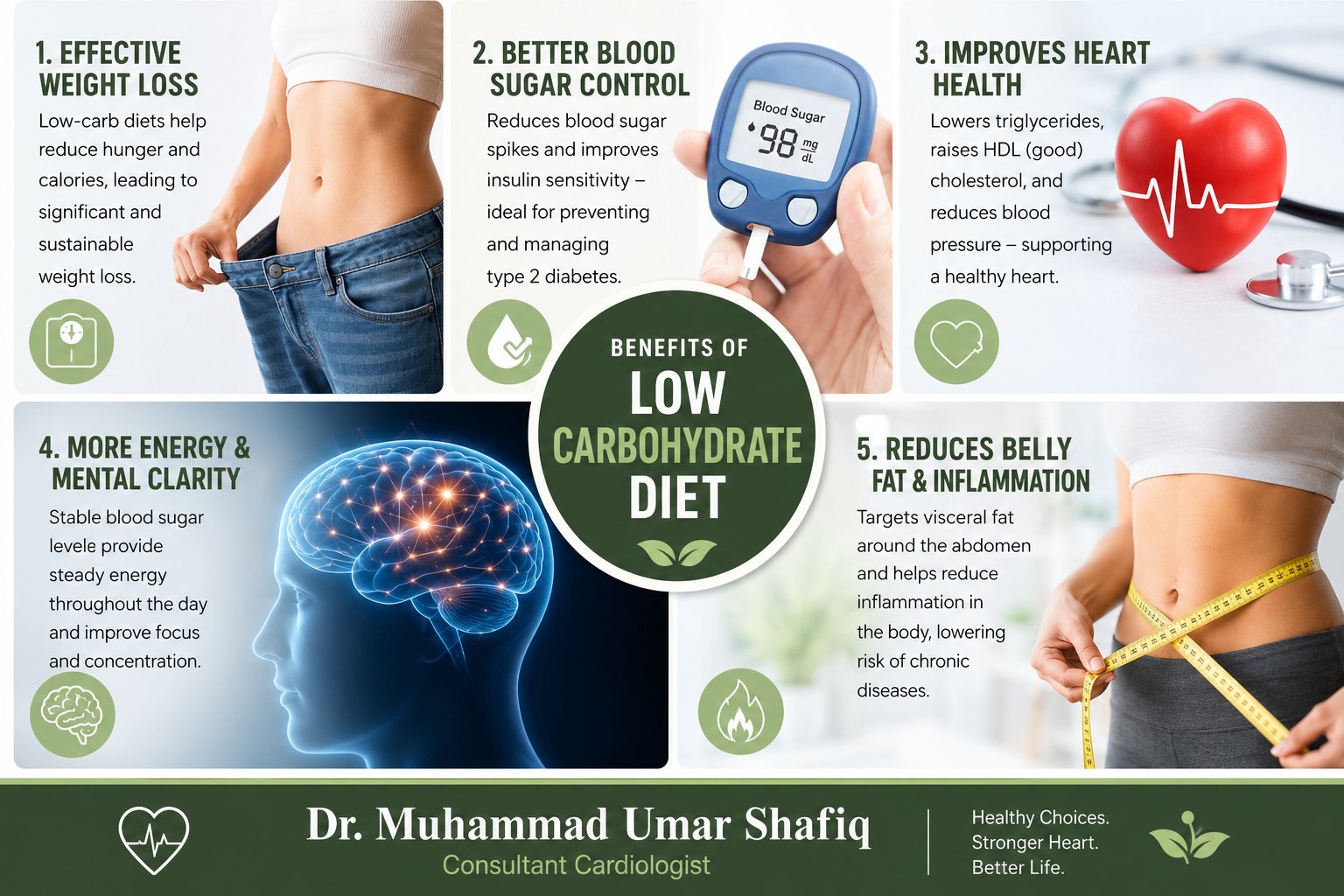
Ideal Daily Carbohydrate Content for Effective Weight Loss
Learn about the ideal daily carbohydrate intake for effective weight loss, especially for South Asians, focusing on proven scientific methods.
 Patient Education
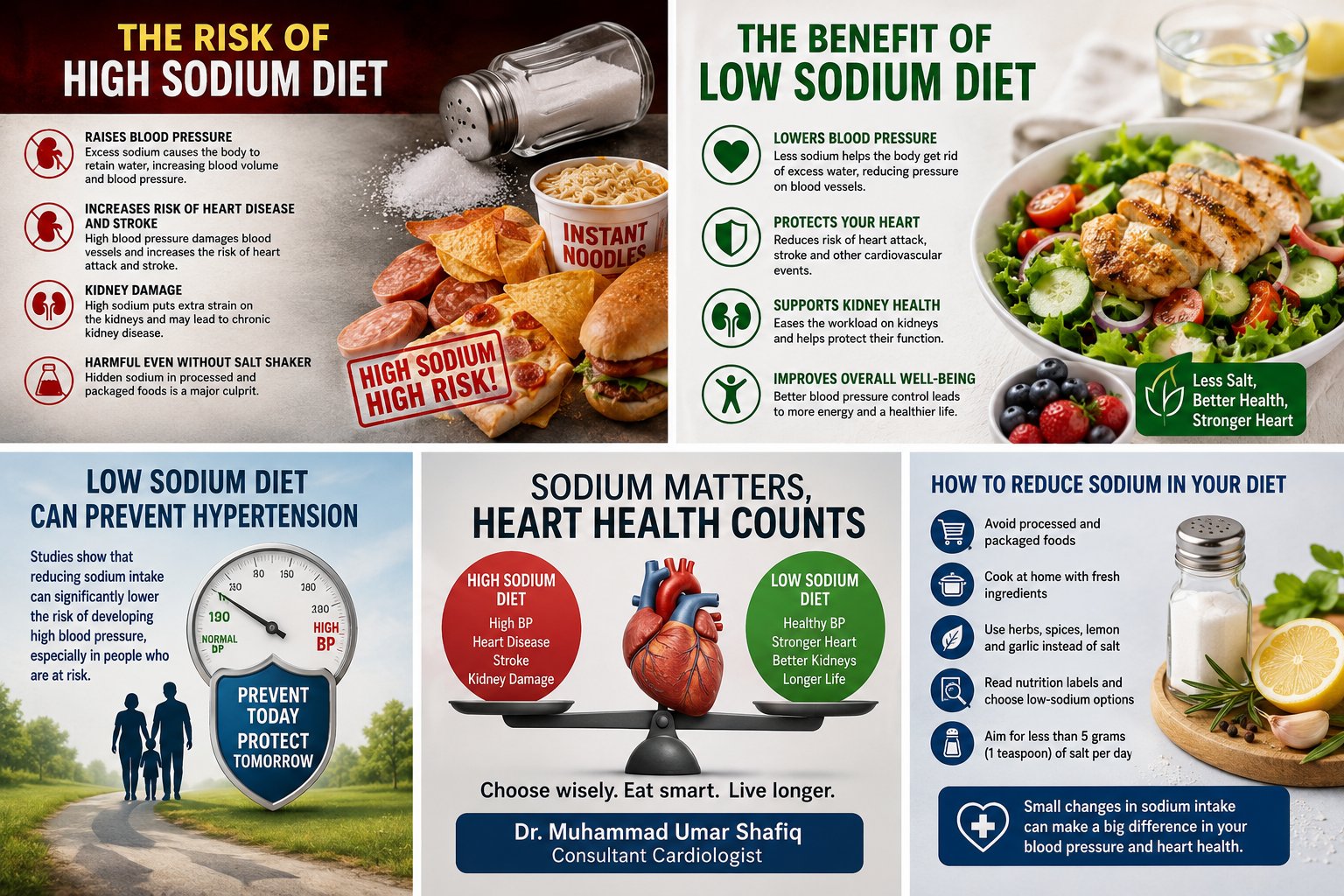
Normal Salt Intake to Prevent Hypertension and Heart Disease
Learn about the recommended daily salt intake to minimize the risk of hypertension and heart diseases.
 Patient Education
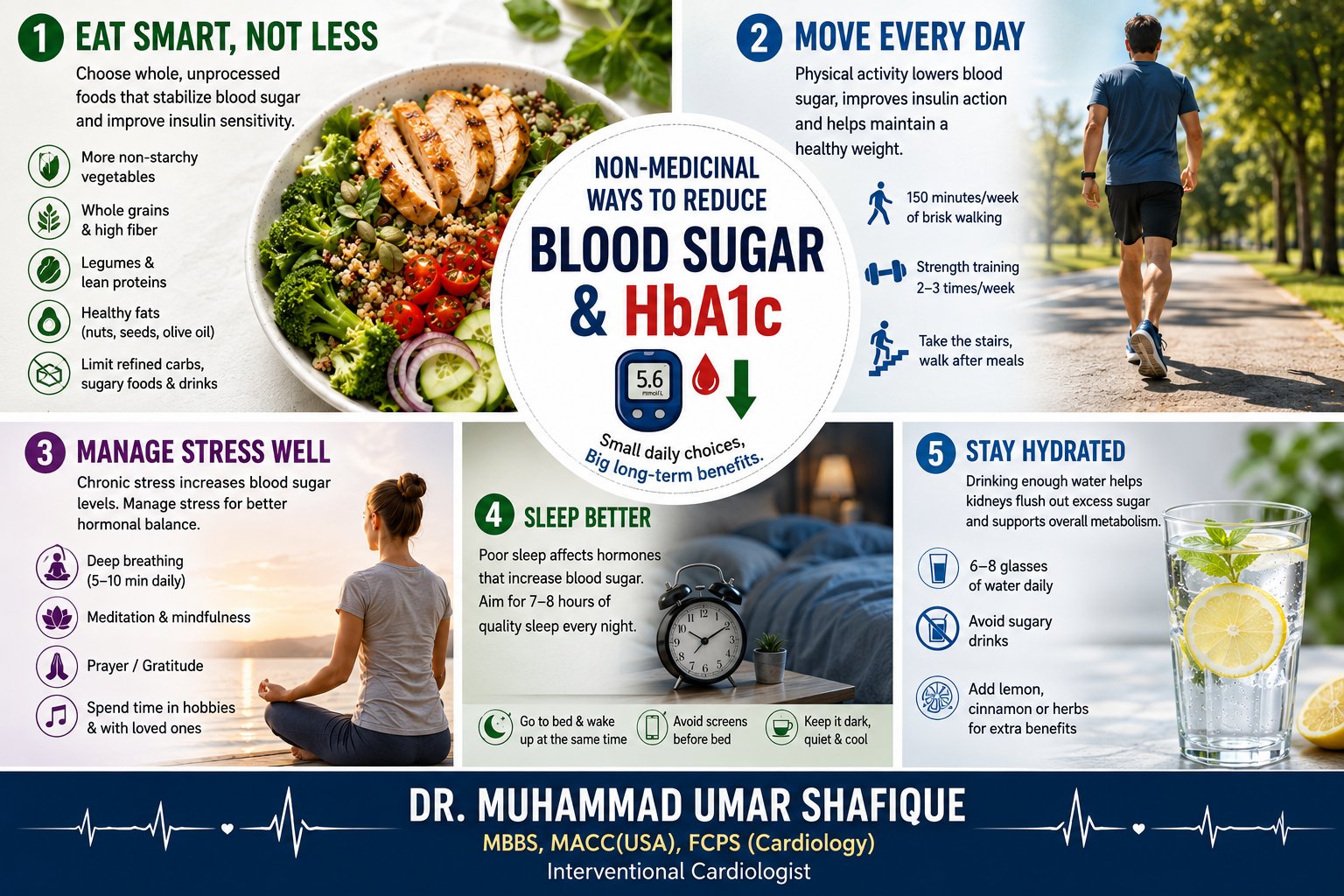
Non-Medicine Ways to Improve Blood Sugar Levels
Explore effective non-medicinal methods to manage blood sugar levels and improve HbA1c.