Non-Medicine Ways to Improve Blood Sugar Levels
Explore effective non-medicinal methods to manage blood sugar levels and improve HbA1c.
By Dr Umar Shafique
Non-Medicine Ways to Improve Blood Sugar Levels
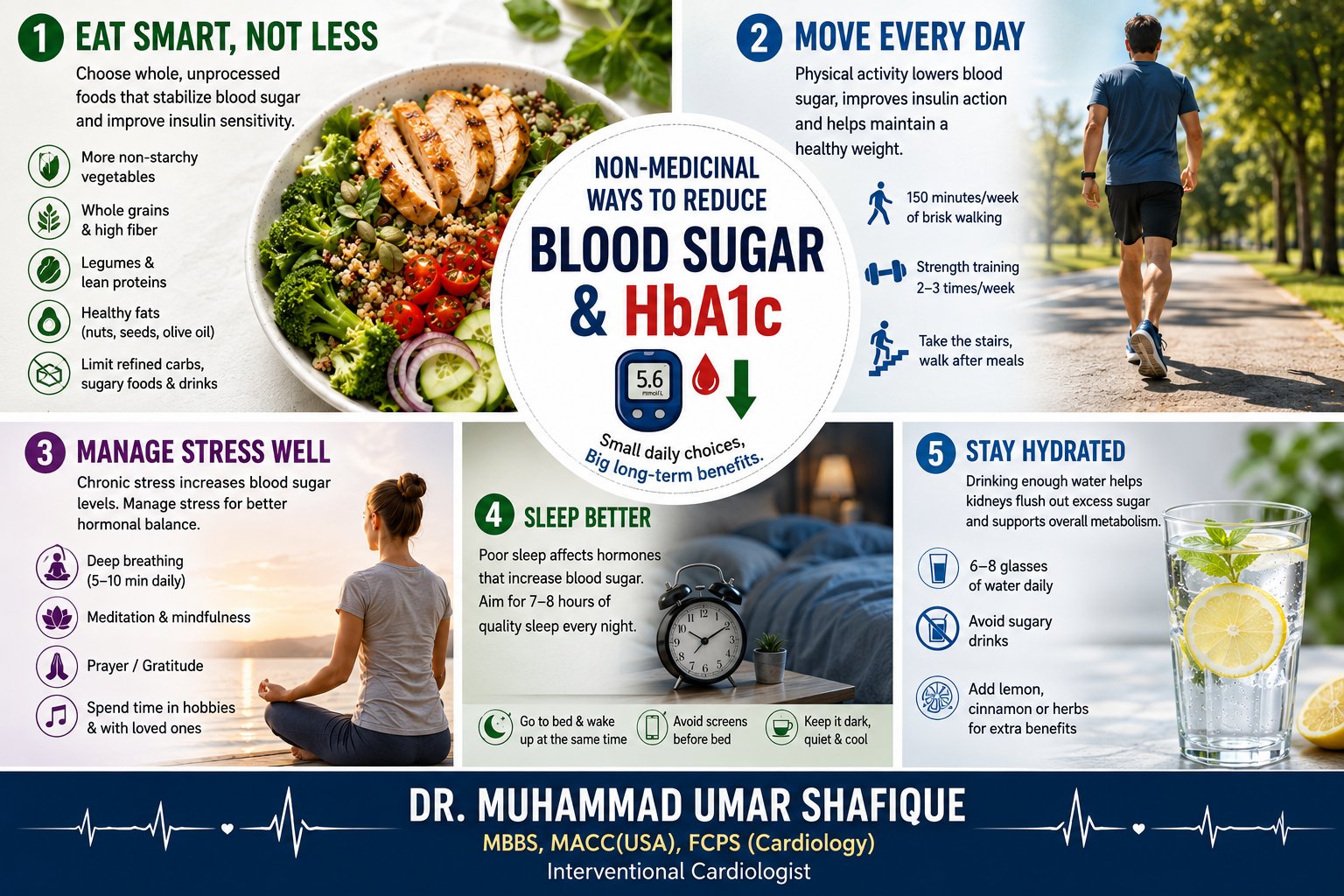
Many patients often inquire about the non-medicinal ways to improve blood sugar levels and reduce HbA1c. Managing blood sugar is crucial for overall health, especially for those with diabetes. Here are some science-backed methods that can help:
1. Healthy Diet
A balanced diet plays a vital role in managing blood sugar. Focus on:
- Whole grains: Opt for brown rice, whole wheat bread, and oats.
- Fruits and vegetables: Incorporate a variety of colorful options.
- Healthy fats: Use olive oil and nuts in moderation.
- Lean proteins: Include fish, chicken, and legumes.
2. Regular Physical Activity
Engaging in regular exercise can significantly lower blood sugar levels. Aim for at least 150 minutes of moderate-intensity aerobic activity each week, such as brisk walking or cycling. This can lead to a reduction in blood sugar levels by approximately 10-20%.
3. Maintain a Healthy Weight
Losing even a small amount of weight (5-10% of your body weight) can improve your body's ability to manage blood sugar. This could lead to a reduction of 0.5-1% in HbA1c levels.
4. Stay Hydrated
Drinking enough water is essential. Staying hydrated helps your kidneys flush out excess sugar through urine. Aim for 8-10 glasses of water daily.
5. Manage Stress
High stress levels can elevate blood sugar. Incorporate stress-reducing activities like yoga, meditation, or deep-breathing exercises into your routine.
6. Get Enough Sleep
Aiming for 7-9 hours of quality sleep each night can help regulate blood sugar levels. Poor sleep can lead to insulin resistance, which affects blood sugar control.
For patients experiencing chest pain, severe breathlessness, fainting, stroke symptoms, collapse, or severe ongoing symptoms, it is crucial to seek urgent medical care immediately.
By implementing these lifestyle changes, you can effectively manage your blood sugar levels and improve your overall health. If you have more specific questions, feel free to contact Dr Umar Shafique.
Remember, these methods are not substitutes for medication but can complement your treatment plan.
For more information about diabetes management, visit our blog on diabetes care and learn how to take control of your health.
FAQ
Q: How quickly can these methods lower my blood sugar? A: Results can vary, but many people see improvements within weeks of making lifestyle changes.
Q: Can these methods replace my diabetes medication? A: No, these methods are not substitutes for medication but can complement your treatment plan.
Q: Is there a specific diet I should follow? A: Focus on a balanced diet rich in whole grains, fruits, vegetables, and lean proteins. Consult a dietitian for personalized advice.
---
Medical disclaimer. This content is for educational purposes only and does not constitute personalized medical advice. Please consult a healthcare professional for personal guidance.
Related miniblogs
 Patient Education
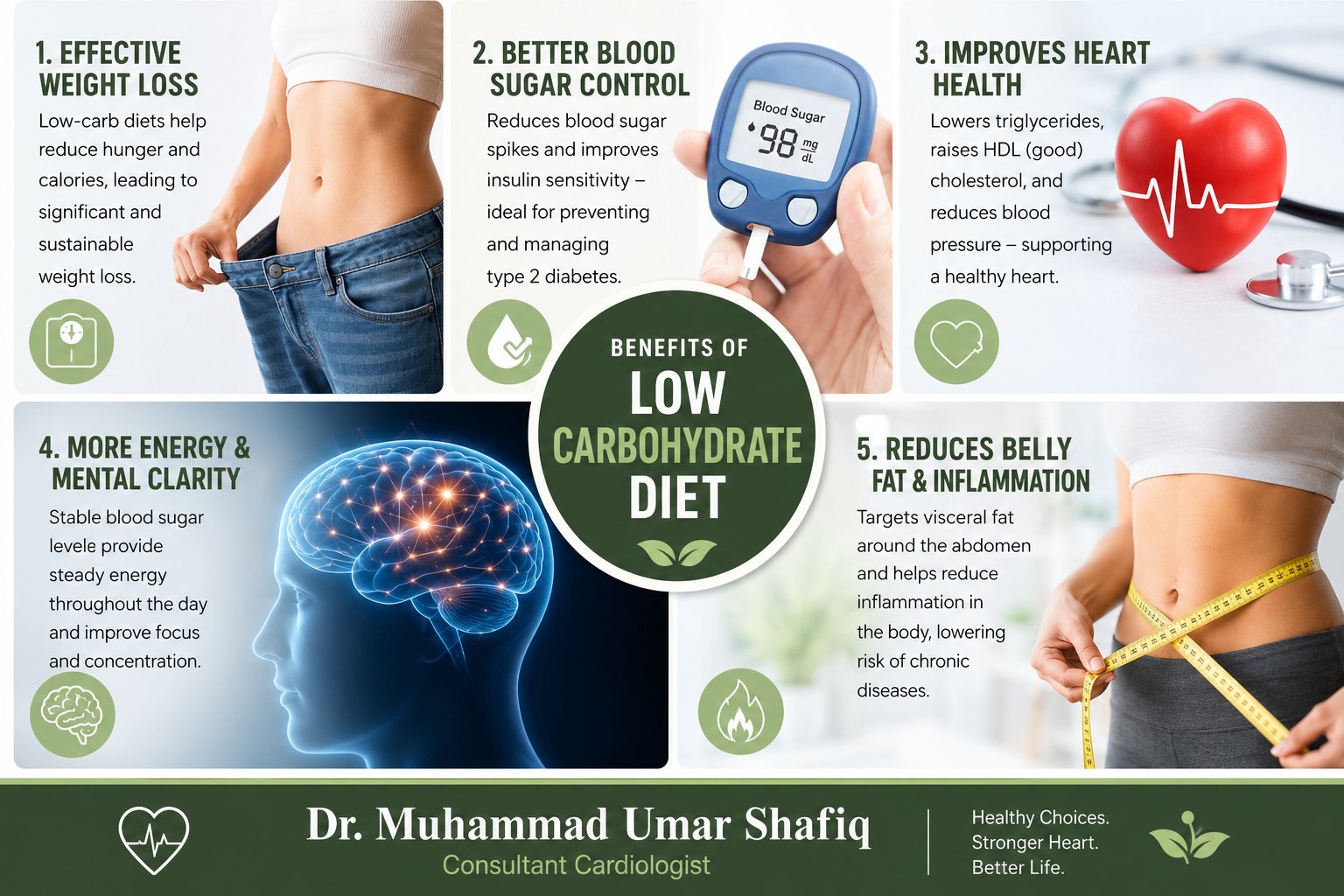
Ideal Daily Carbohydrate Content for Effective Weight Loss
Learn about the ideal daily carbohydrate intake for effective weight loss, especially for South Asians, focusing on proven scientific methods.
 Patient Education
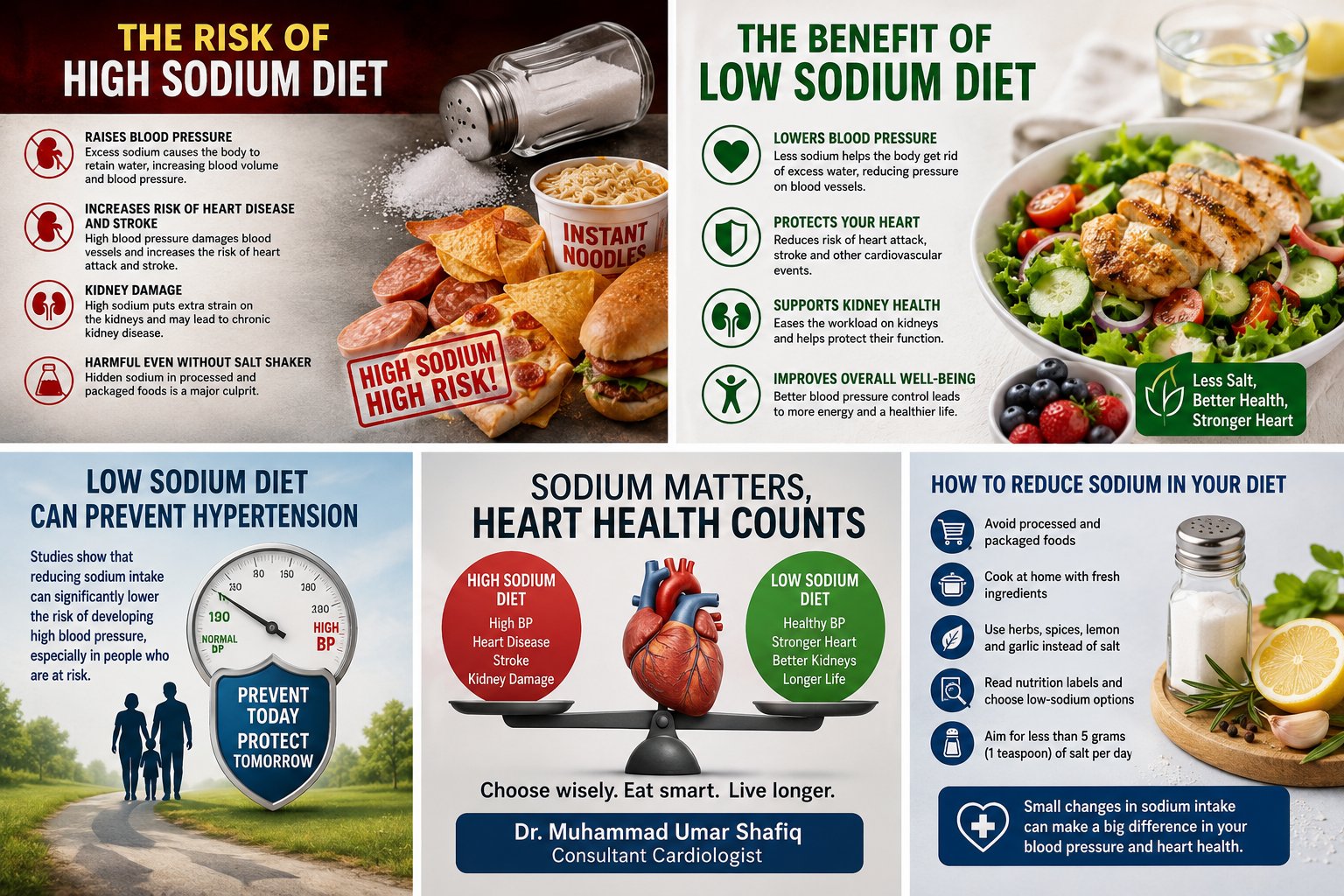
Normal Salt Intake to Prevent Hypertension and Heart Disease
Learn about the recommended daily salt intake to minimize the risk of hypertension and heart diseases.
 Patient Education
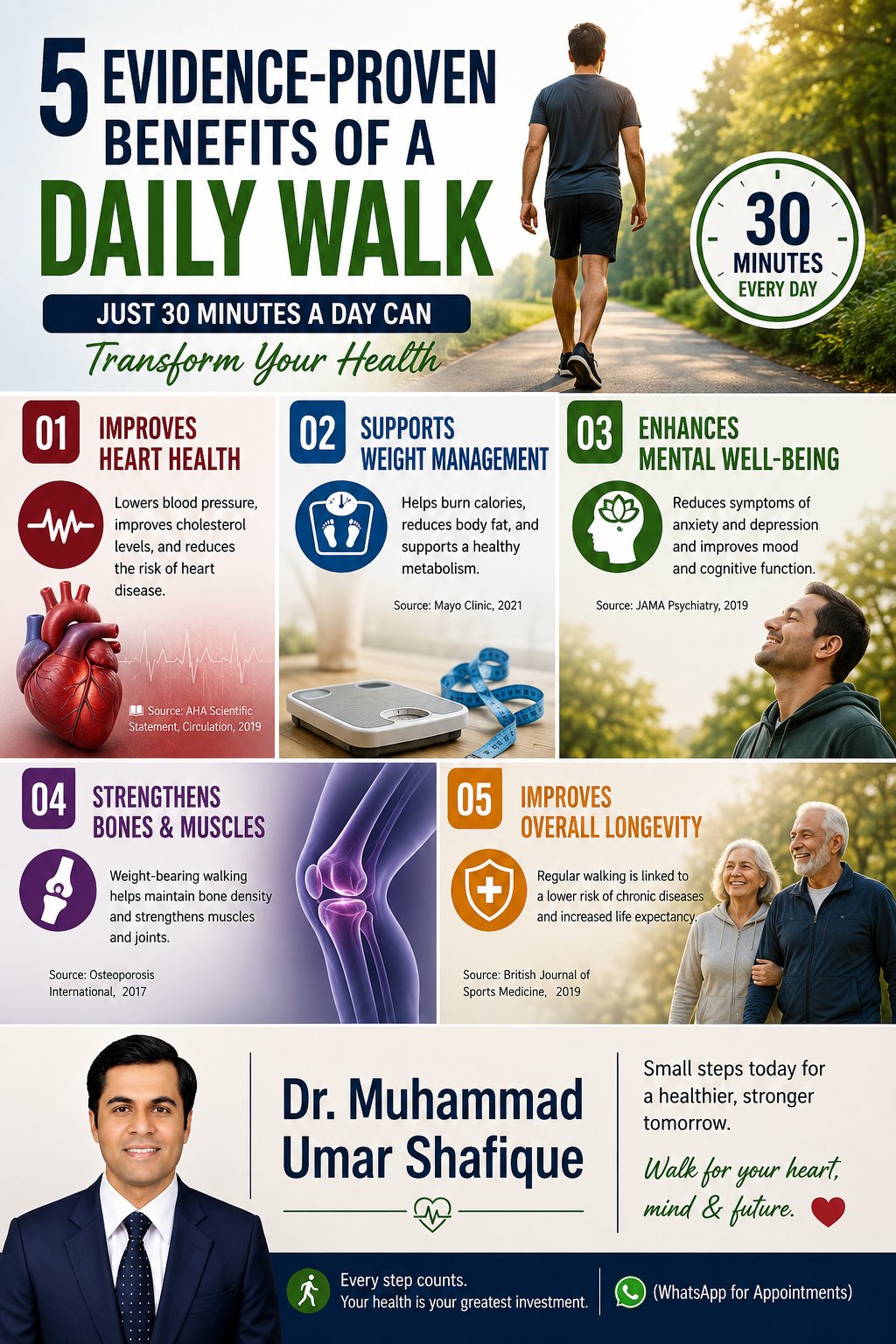
Daily Walk: How Much and How Fast to Prevent Heart Disease?
Discover the ideal amount and intensity of daily walking to help prevent heart disease, making it a simple yet powerful step for your heart health.