Daily Walk: How Much and How Fast to Prevent Heart Disease?
Discover the ideal amount and intensity of daily walking to help prevent heart disease, making it a simple yet powerful step for your heart health.
By Dr Umar Shafique
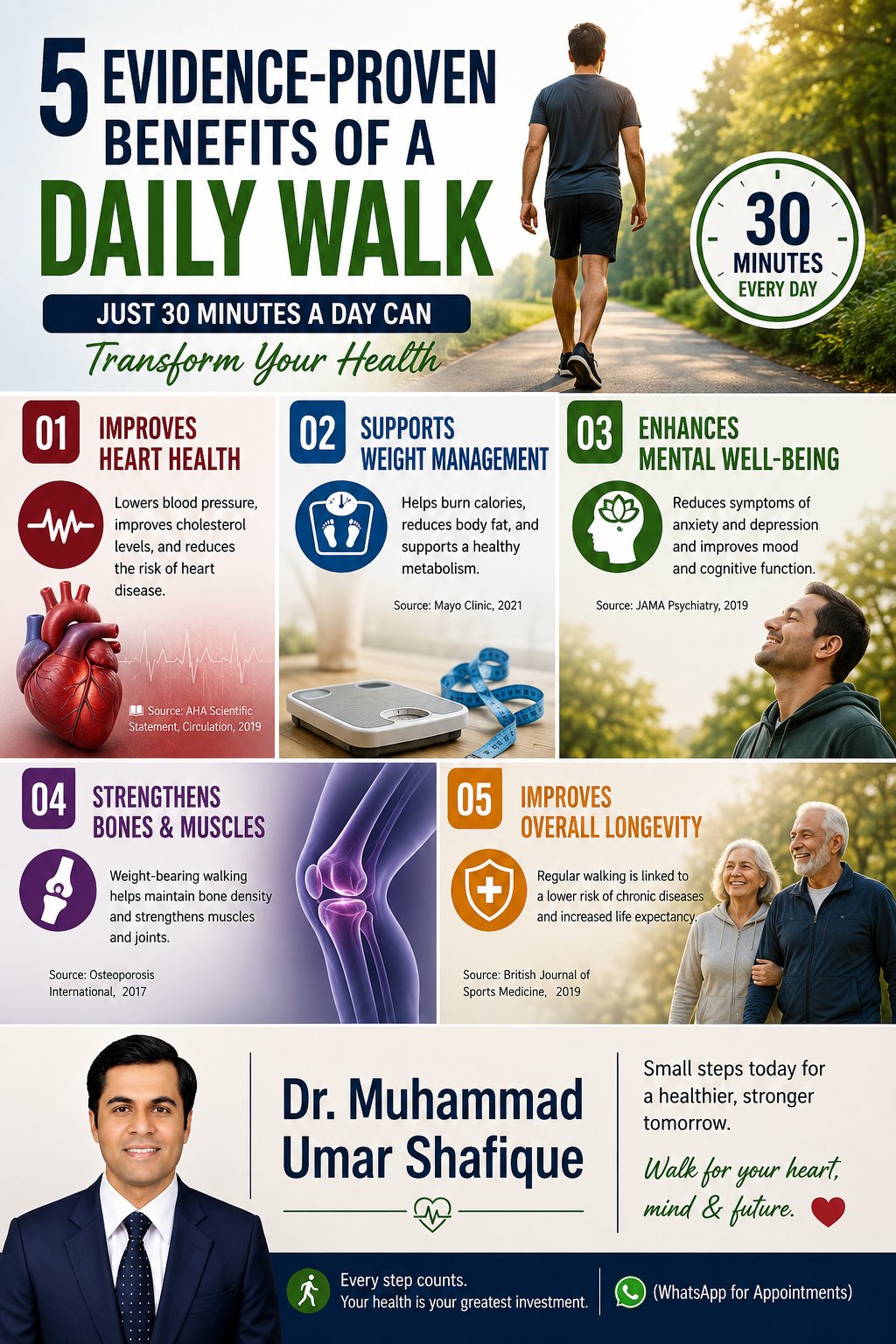
Many patients ask about how much and how fast they should walk daily to prevent heart disease. The good news is that even moderate walking can make a big difference for your heart health.
How Much Walking?
For most adults, aiming for at least 150 minutes of moderate-intensity exercise per week is recommended. This can be broken down into daily walks. For example, a brisk walk of 30 minutes, five days a week, meets this recommendation. If you can't do 30 minutes at once, try breaking it into shorter 10-15 minute walks throughout the day.
How Fast Should You Walk?
"Moderate intensity" means you should be able to talk, but not sing, while walking. You should feel your heart rate go up a bit and breathe a little harder. This is often described as a brisk pace. If you're just strolling, that's good for overall well-being, but a brisker pace is needed for cardiovascular benefits.
Benefits of Regular Walking
Regular walking helps to:
- Lower blood pressure
- Improve cholesterol levels
- Manage blood sugar
- Maintain a healthy weight
- Reduce stress
All these factors significantly reduce your risk of heart disease. Even short, consistent walks are better than no activity at all. Start slowly if you're new to exercise and gradually increase your time and pace.
Remember, consistency is key. Make walking a regular part of your daily routine, perhaps by walking to a nearby market or taking a stroll in a local park. If you have any existing heart conditions or health concerns, please consult with your doctor before starting any new exercise program. For more information on maintaining a healthy heart, you can also explore other topics like Blood Pressure Control and Managing Cholesterol.
If you experience chest pain, severe breathlessness, or fainting during exercise, seek urgent medical care immediately. For personalized advice, consider contacting Dr Umar Shafique for a consultation.
Q: Is walking enough to prevent heart disease?
A: Yes, regular brisk walking is a very effective form of exercise for preventing heart disease, especially when done consistently at a moderate intensity.
Q: What if I can't walk for 30 minutes at once?
A: That's perfectly fine! You can break your walking into shorter segments, such as two 15-minute walks or three 10-minute walks spread throughout the day. The benefits still add up.
Q: How can I tell if I'm walking at a moderate intensity?
A: A good way to check is the "talk test." You should be able to talk comfortably, but not sing, while walking. You'll feel your heart rate rise and breathe a bit harder than usual.
---
Medical disclaimer. This information is for educational purposes only and does not constitute medical advice. It is not a substitute for professional medical diagnosis, treatment, or cure. Always consult with a qualified healthcare provider for any health concerns or before making any decisions related to your health or treatment. Do not disregard professional medical advice or delay seeking it because of something you have read here. For chest pain, severe breathlessness, fainting, or other severe ongoing symptoms, seek urgent medical care immediately.
<!-- Internal link suggestions (from AI): [object Object],[object Object],[object Object] -->
Related miniblogs
 Patient Education
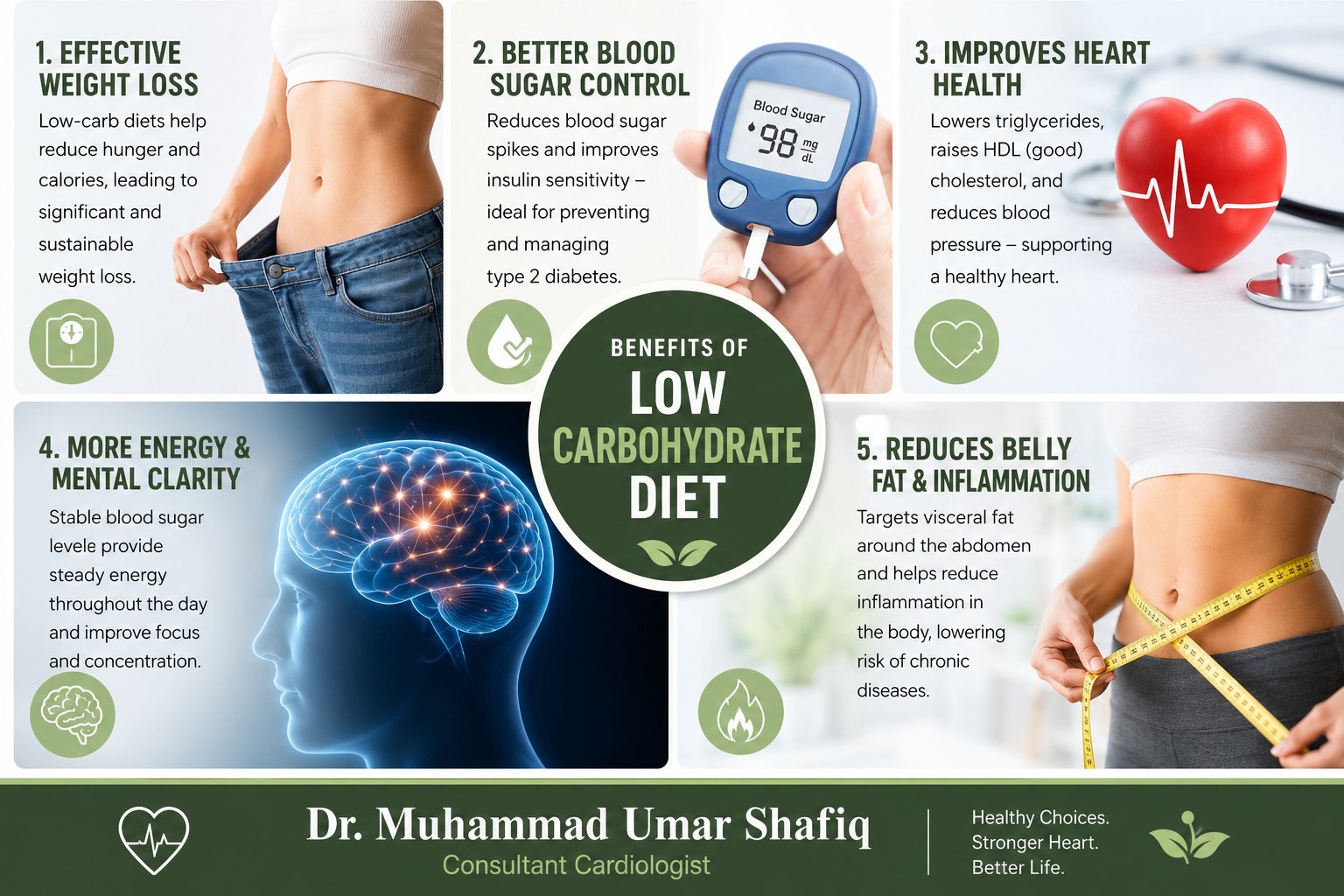
Ideal Daily Carbohydrate Content for Effective Weight Loss
Learn about the ideal daily carbohydrate intake for effective weight loss, especially for South Asians, focusing on proven scientific methods.
 Patient Education
Normal Salt Intake to Prevent Hypertension and Heart Disease
Learn about the recommended daily salt intake to minimize the risk of hypertension and heart diseases.
 Patient Education
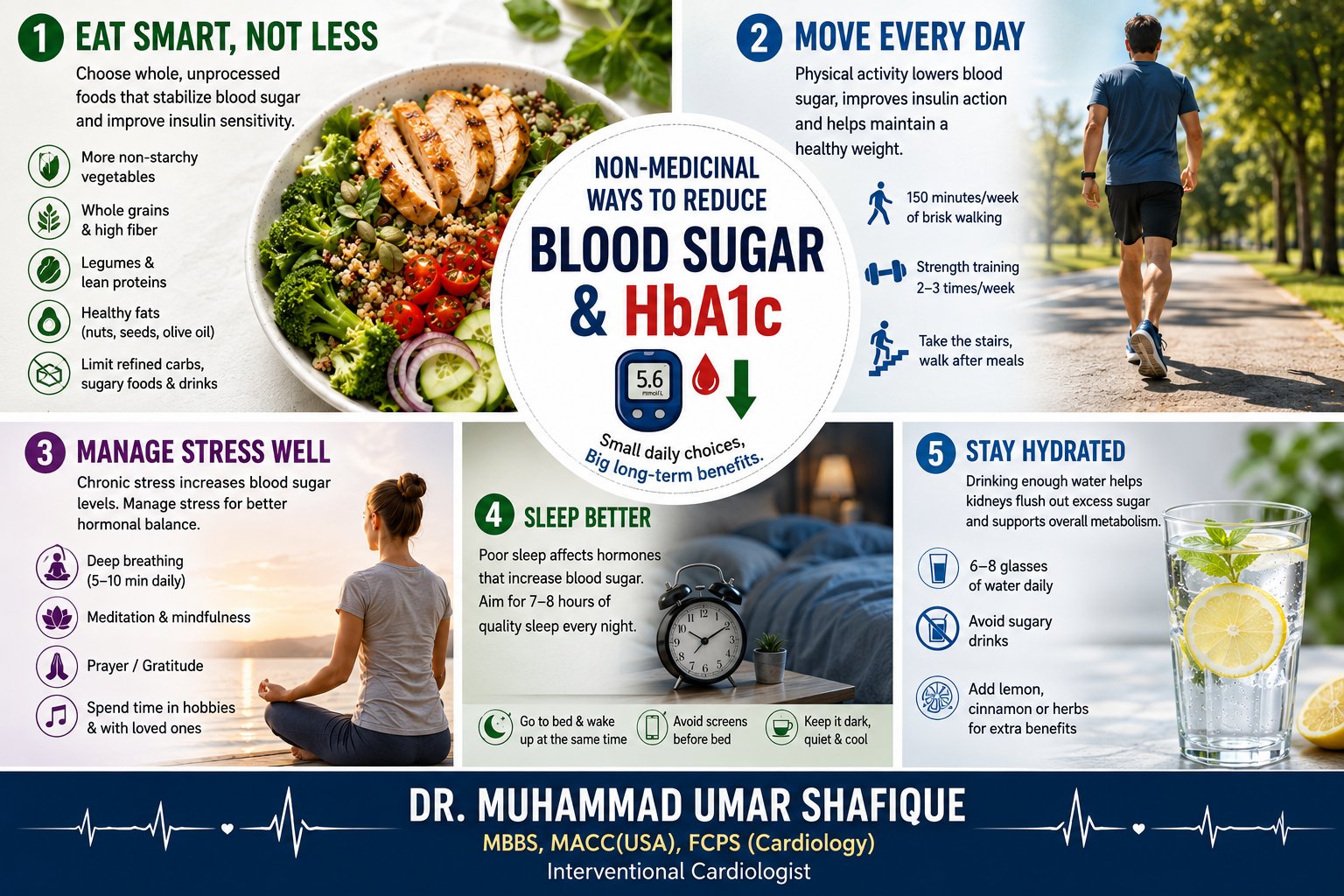
Non-Medicine Ways to Improve Blood Sugar Levels
Explore effective non-medicinal methods to manage blood sugar levels and improve HbA1c.