Normal Salt Intake to Prevent Hypertension and Heart Disease
Learn about the recommended daily salt intake to minimize the risk of hypertension and heart diseases.
By Dr Umar Shafique
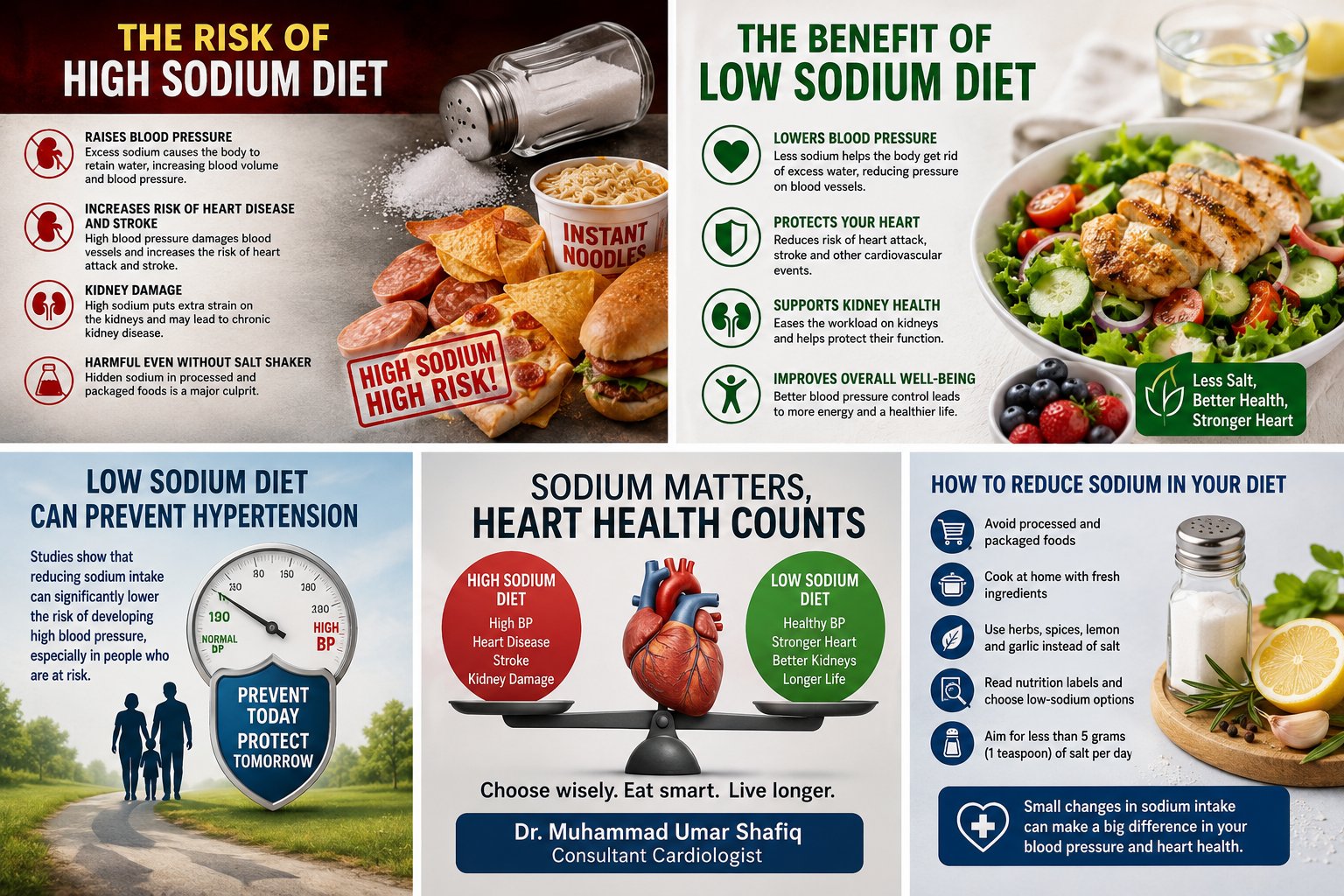
Understanding Salt Intake for Heart Health
Many patients often ask how much salt they can safely consume to avoid hypertension and heart diseases. The main concern lies in sodium chloride, commonly known as table salt, which can significantly affect cardiovascular health.
Recommended Daily Salt Intake
According to modern cardiology guidelines, the recommended daily intake of sodium for adults is generally less than 2,300 mg, which is about 1 teaspoon of salt. However, for individuals with existing hypertension or those at high risk of developing heart disease, a lower intake of 1,500 mg per day is advised. This reduction can help manage blood pressure and overall heart health.
Why is Excess Salt Harmful?
Excessive salt intake can lead to increased blood pressure, which is a major risk factor for heart disease and stroke. High sodium levels can also cause the body to retain water, leading to added strain on the heart and blood vessels.
Tips to Reduce Salt Intake
- Read Labels: Be aware of sodium content in packaged foods.
- Choose Fresh Foods: Fresh fruits, vegetables, and unprocessed meats are naturally low in sodium.
- Limit Processed Foods: Canned soups, frozen meals, and fast foods often contain high amounts of salt.
- Cook at Home: This allows you to control the amount of salt in your meals.
- Use Herbs and Spices: Experiment with herbs and spices to flavor your food without salt.
Conclusion
Maintaining a balanced sodium intake is crucial for heart health, especially in the South Asian context where dietary habits may include high salt consumption. By following these guidelines and being mindful of your salt intake, you can actively work towards reducing your risk of hypertension and heart disease.
For any concerns regarding your heart health, please contact Dr Umar Shafique.
If you experience symptoms like chest pain, severe breathlessness, or fainting, seek urgent medical care immediately.
FAQ
Q: What is the maximum amount of salt I should consume daily? A: Adults should aim for less than 2,300 mg of sodium per day, while those with hypertension should limit intake to 1,500 mg.
Q: How does salt affect blood pressure? A: Excess salt intake can lead to increased blood pressure by causing the body to retain water, putting more strain on the heart.
Q: What are some low-sodium alternatives? A: Fresh fruits and vegetables, unprocessed meats, and cooking with herbs and spices instead of salt are great options.
---
Medical disclaimer. This content is for educational purposes only and does not constitute personalized medical advice. Please consult a healthcare professional for individual recommendations.
<!-- Internal link suggestions (from AI): heart-attack warning signs,about Dr Umar Shafique -->
Related miniblogs
 Patient Education
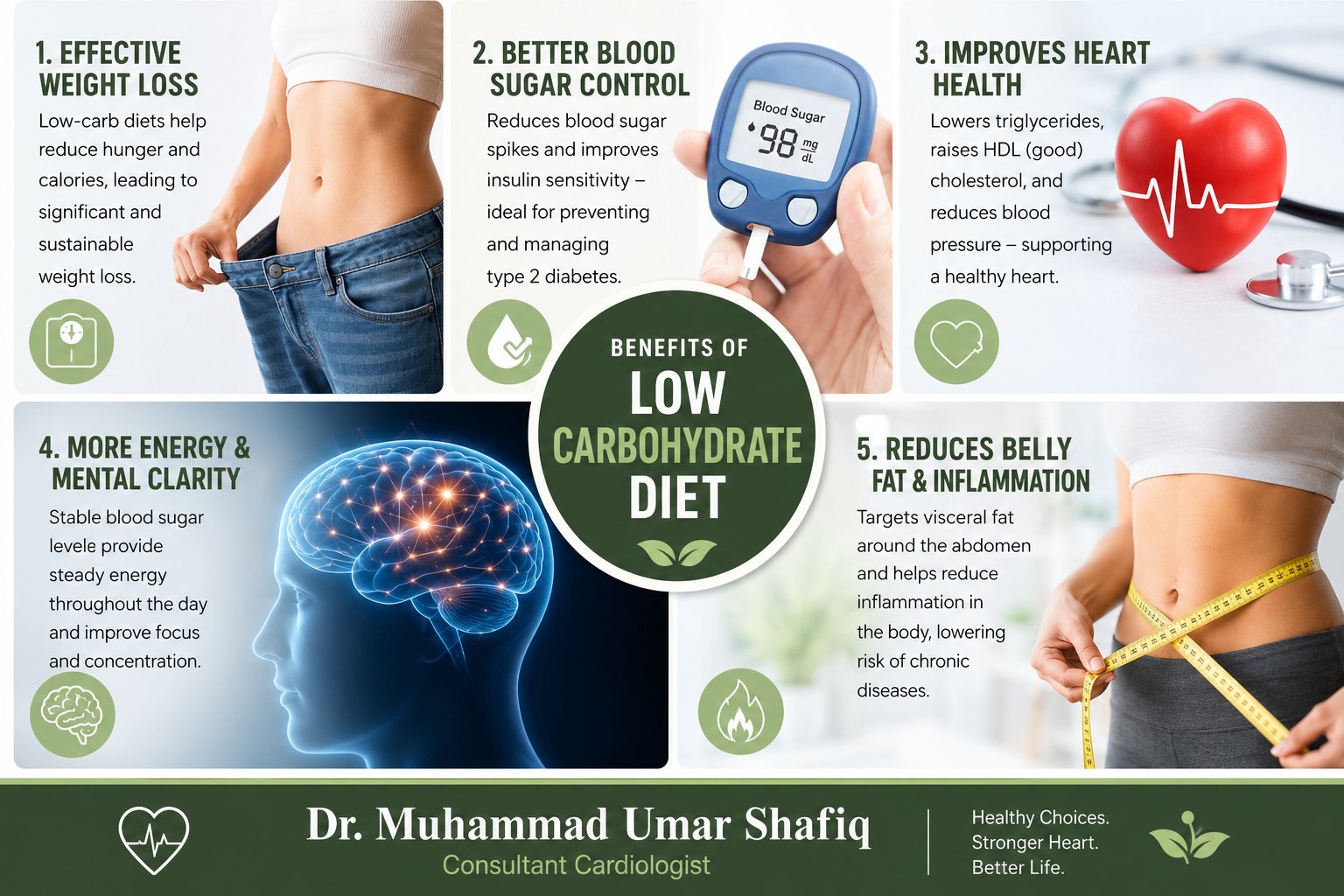
Ideal Daily Carbohydrate Content for Effective Weight Loss
Learn about the ideal daily carbohydrate intake for effective weight loss, especially for South Asians, focusing on proven scientific methods.
 Patient Education
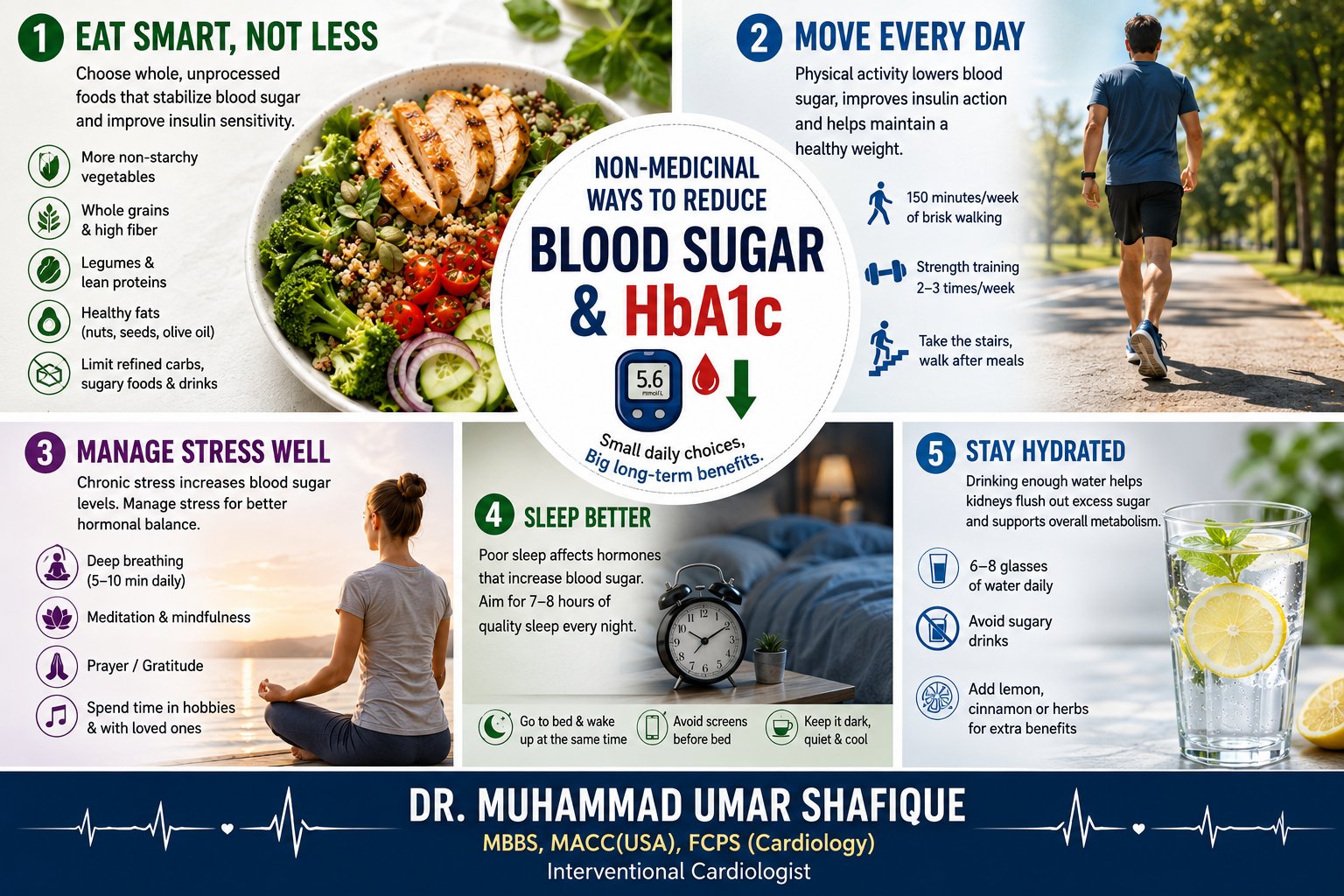
Non-Medicine Ways to Improve Blood Sugar Levels
Explore effective non-medicinal methods to manage blood sugar levels and improve HbA1c.
 Patient Education
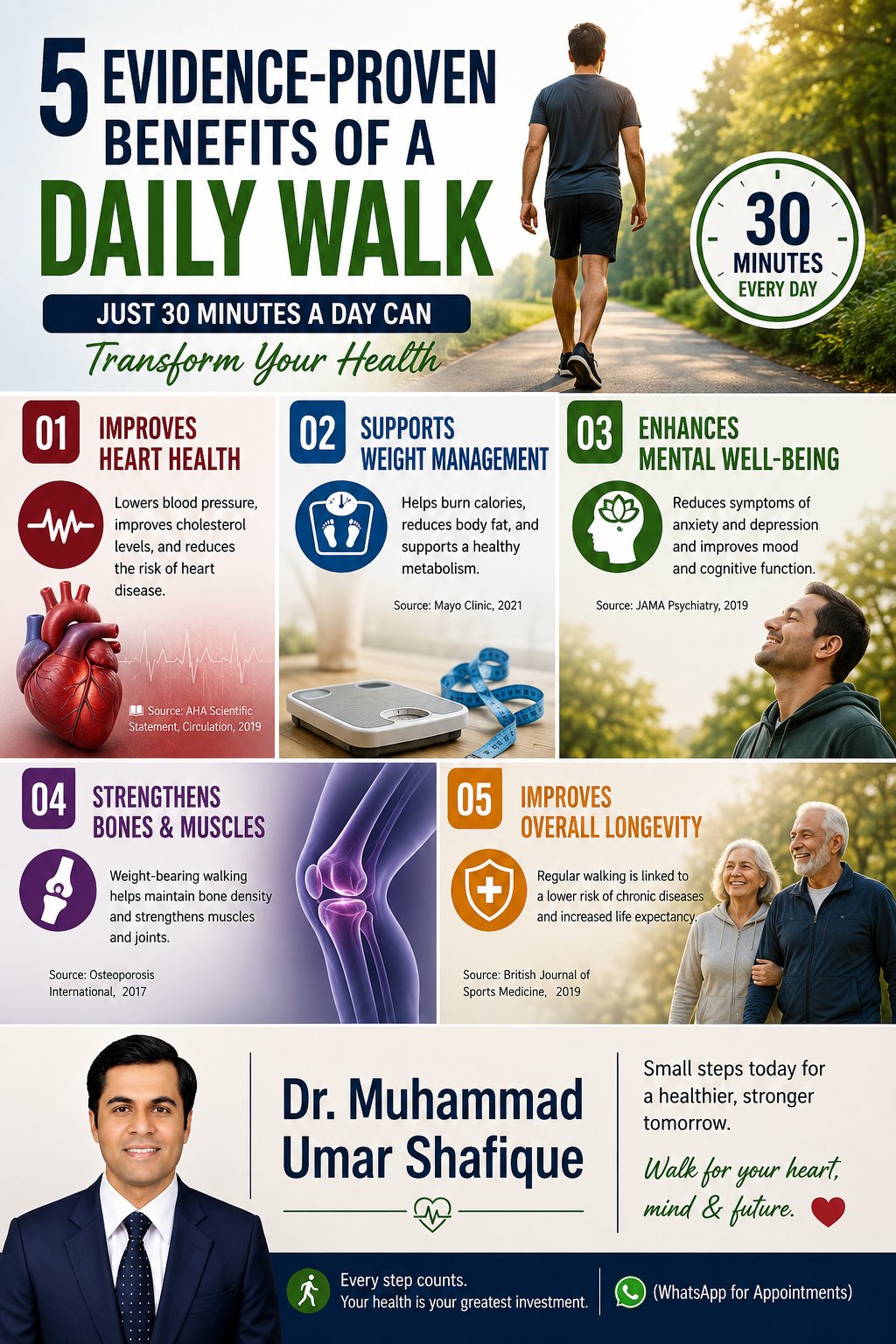
Daily Walk: How Much and How Fast to Prevent Heart Disease?
Discover the ideal amount and intensity of daily walking to help prevent heart disease, making it a simple yet powerful step for your heart health.