Basic Tests for Family History of Sudden Cardiac Death
Exploring essential tests for individuals concerned about family history of sudden cardiac death.
By Dr Umar Shafique
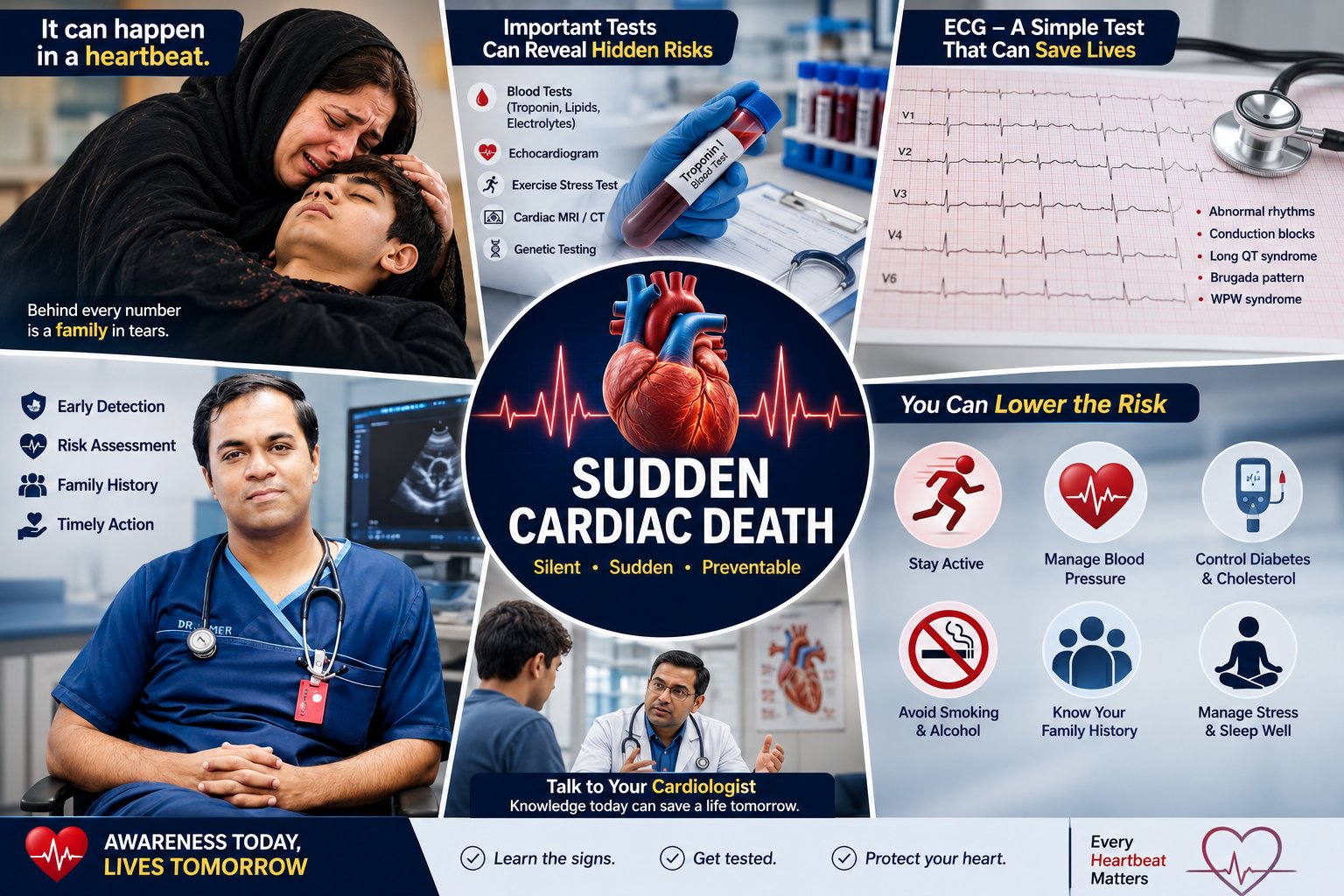
Understanding Sudden Cardiac Death
Sudden cardiac death (SCD) is a devastating event, often occurring unexpectedly in individuals with no prior symptoms. In South Asia, it is common for patients to inquire about their risk when there is a family history, particularly involving a parent or sibling who passed away suddenly without any known heart disease. This concern can lead to significant distress for the family members left behind.
Key Tests to Consider
- Electrocardiogram (ECG): An ECG is a simple and non-invasive test that records the electrical activity of the heart. It can help identify abnormalities in heart rhythm, which may indicate a higher risk of SCD.
- Echocardiogram: This ultrasound test provides images of the heart’s structure and function. It can reveal issues like cardiomyopathy, which is a common cause of SCD in younger populations.
- Genetic Testing: If there is a strong family history of SCD, especially at a young age, genetic testing can be beneficial. Certain inherited conditions, such as Long QT syndrome or hypertrophic cardiomyopathy, can significantly increase the risk.
- Holter Monitor: This portable device records the heart's rhythm over 24 to 48 hours. It is useful for detecting intermittent arrhythmias that might not show up during a standard ECG.
- Exercise Stress Test: This test evaluates how the heart performs under physical stress. It can uncover hidden issues that may not be apparent at rest.
Importance of Early Detection
For individuals with a family history of SCD, these tests can provide valuable insights into their cardiac health. Early detection and intervention can significantly reduce the risk of adverse events.
When to Seek Help
If you experience any symptoms such as chest pain, severe breathlessness, fainting, or other severe ongoing symptoms, it is crucial to seek medical care immediately.
Understanding your risk and taking proactive steps can lead to better outcomes and peace of mind for both you and your family.
For personalized advice or further information, please contact Dr Umar Shafique.
FAQ
Q: What should I do if my family has a history of sudden cardiac death? A: It is advisable to consult a cardiologist to discuss your family history and undergo recommended tests.
Q: Are there specific age groups more affected by sudden cardiac death? A: While SCD can occur at any age, younger individuals, particularly in their teens to early adults, are often at higher risk if there is a family history.
Q: Can lifestyle changes reduce my risk of sudden cardiac death? A: Yes, maintaining a healthy lifestyle, including regular exercise, a balanced diet, and avoiding smoking, can help reduce your overall cardiovascular risk.
---
Medical disclaimer. This content is for educational purposes only and is not a substitute for professional medical advice. Always seek the advice of your physician or other qualified health provider with any questions you may have regarding a medical condition.
Related miniblogs
 Preventive Cardiology
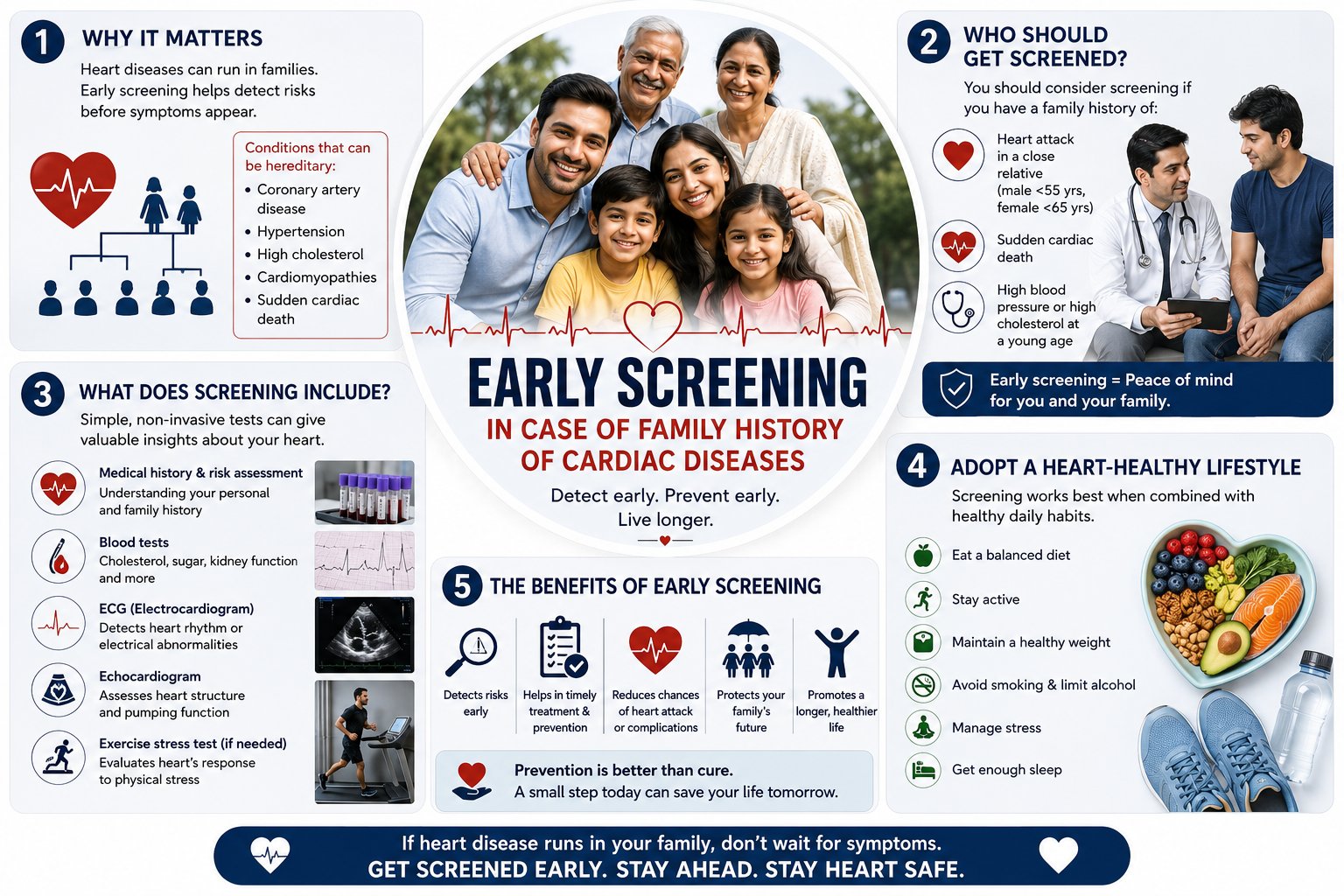
Family History of Heart Disease: What It Means for You
Discover how a family history of heart disease can affect your risk, the importance of early screening, and practical steps to protect your heart.
 Preventive Cardiology
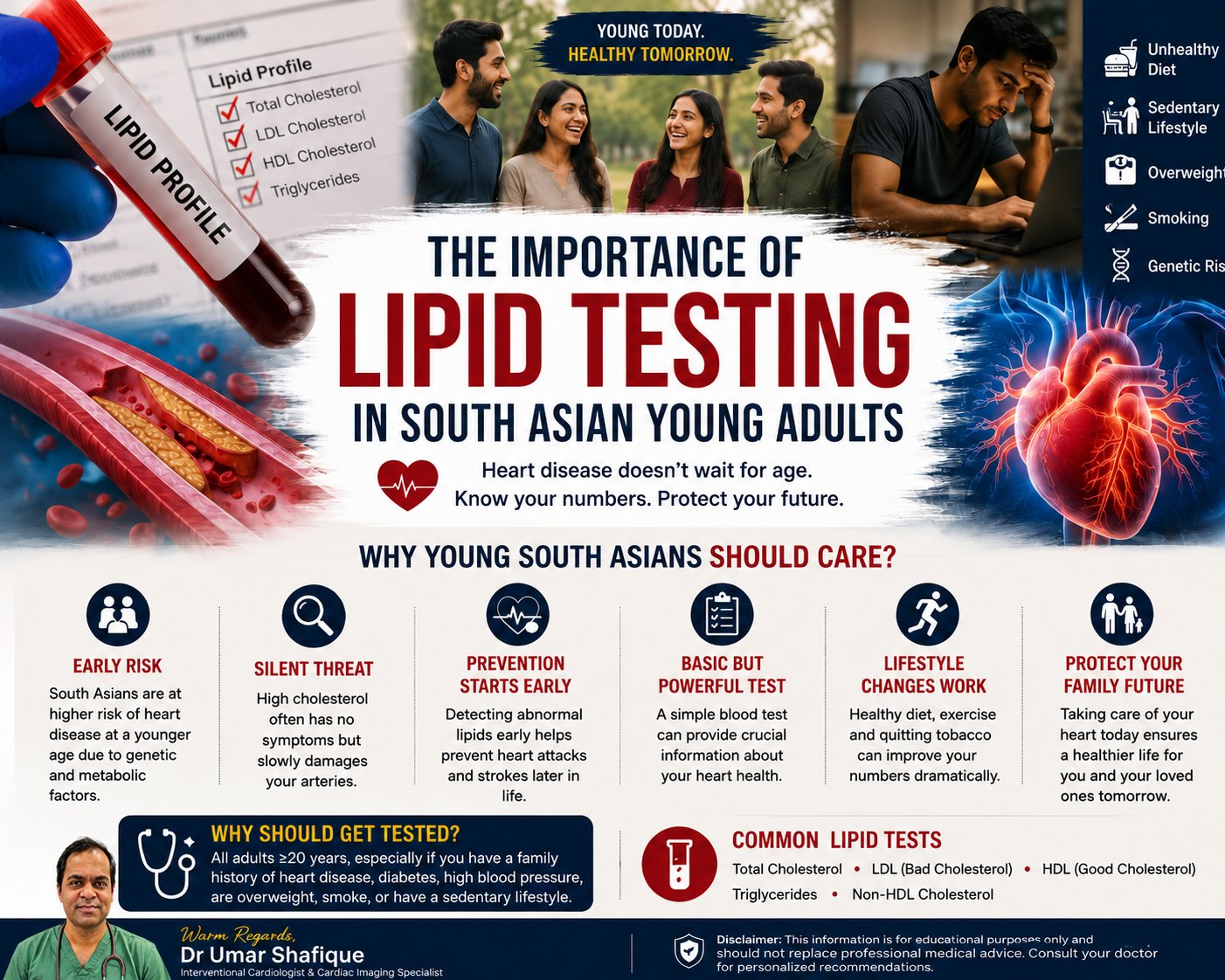
Why Young South Asians Need Early Lipid Testing
South Asians face higher heart‑risk even at a young age. Early lipid testing helps spot problems early, guiding lifestyle changes and treatment before complications arise.
 Preventive Cardiology
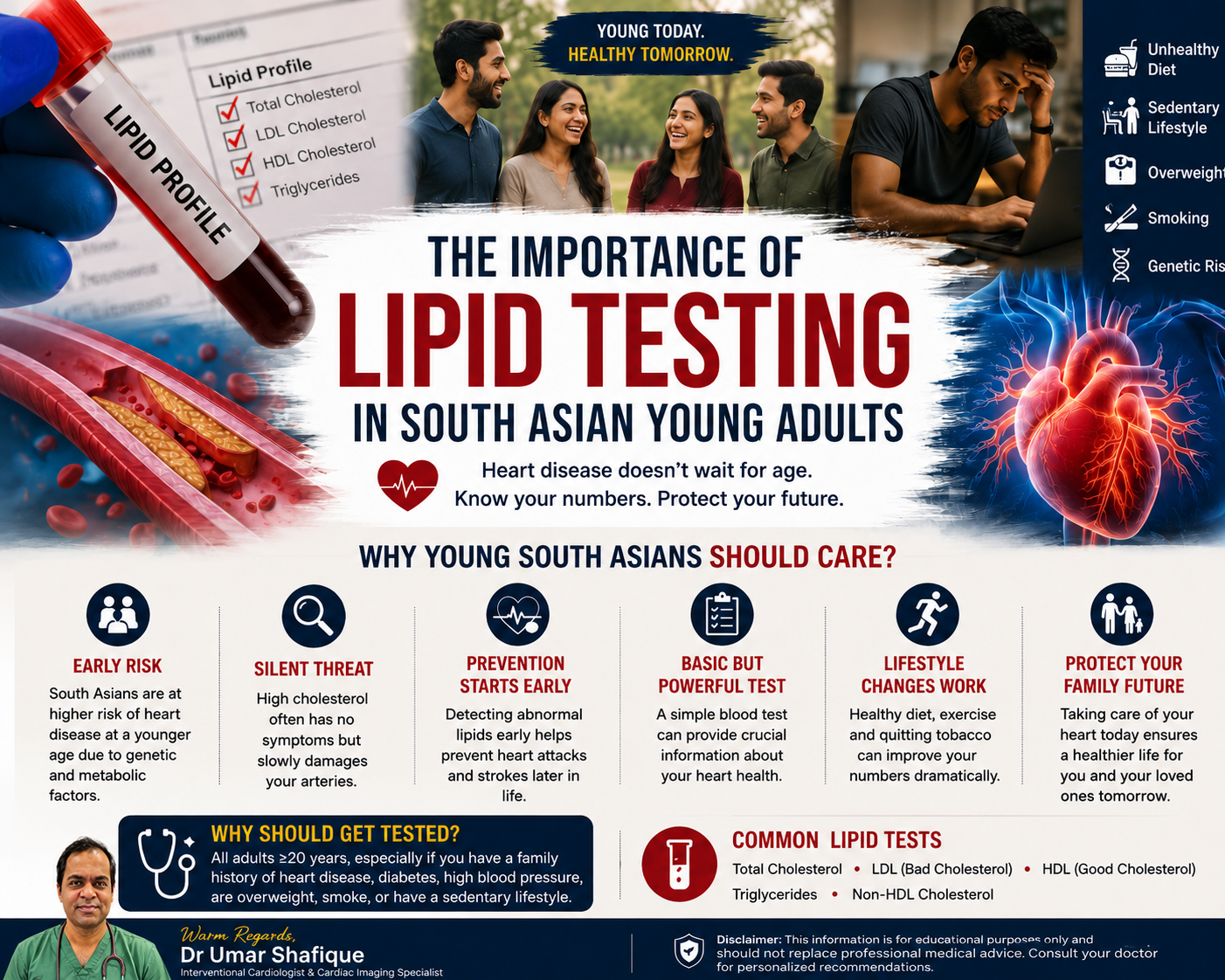
Importance of Lipid Testing in South Asian Young Adults
South Asian young adults are at higher risk of early heart disease. A simple lipid profile can detect silent cholesterol problems before they become dangerous.