Why Young South Asians Need Early Lipid Testing
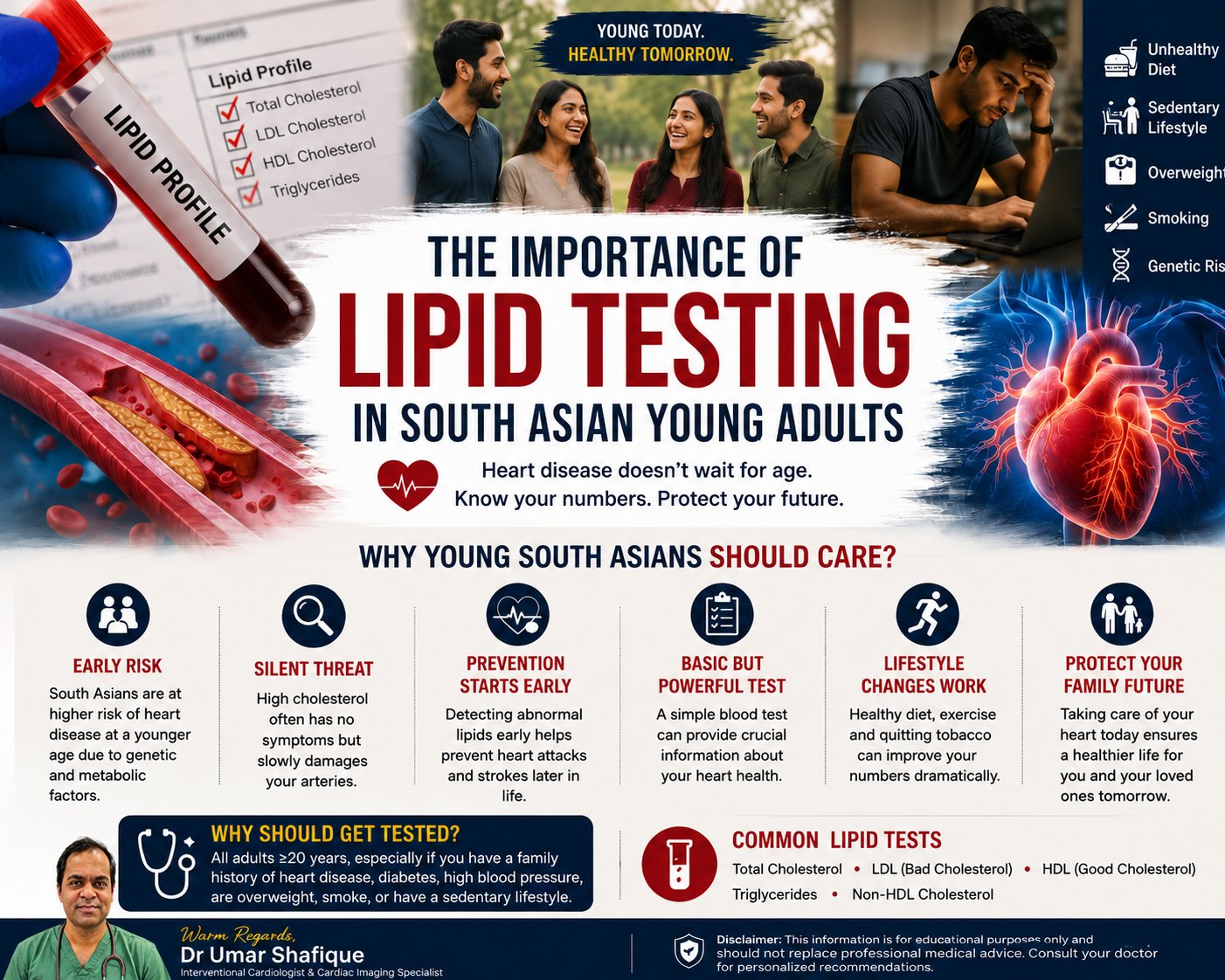
South Asians face higher heart‑risk even at a young age. Early lipid testing helps spot problems early, guiding lifestyle changes and treatment before complications arise.
By Dr Umar Shafique
Why Early Lipid Testing Matters for Young South Asians
South Asians, including those in Pakistan, have a higher risk of cardiovascular disease from a young age. This is partly due to a genetic tendency for higher triglycerides and lower HDL, and partly because lifestyle factors such as diet and physical activity may not fully counter cepat. Detecting abnormal lipid levels early gives you a chance to intervene before heart problems occur.
What Does Early Lipid Testing Reveal?
- Low‑density lipoprotein (LDL) – the "bad" cholesterol that builds plaque in arteries.
- High‑density lipoprotein (HDL) – the "good" cholesterol that helps clear LDL.
- Triglycerides – high levels can accelerate atherosclerosis.
- Total cholesterol – gives a quick snapshot of overall risk.
If your numbers are outside the desired range, simple changes (diet, exercise, weight control) can often bring them down. In some cases, medication may be needed – but the earlier you know, the better the outcome.
Why Should Young Adults Care?
- Silent_track: Atherosclerosis can start in your 20s.
- Fast progression: South Asians progress faster to clinical heart disease.
- Preventable: Lifestyle changes in your 20s–30s dramatically reduce risk later.
Practical Steps in Pakistan
- Get a fasting lipid panel at a reputable hospital or private lab.
- Discuss results with a cardiologist; ask how they fit into your overall risk profile.
- Adopt a heart‑healthy diet – reduce refined carbs, increase fruits, vegetables, and fish.
- Stay active – aim for at least 150 minutes of moderate exercise per week.
- Regular follow‑up – re‑check lipids every 1–3 years depending on your risk.
Emergency warning: If you experience chest pain, severe shortness of breath, fainting, or sudden weakness, seek immediate medical attention or call emergency services.
---
Heart-attack warning signs | Contact Dr Umar Shafique | About Dr Umar Shafique
FAQ
Q1: At what age should I start lipid testing? A1: For South Asians, it is recommended to begin screening in your early 20s, especially if you have a family history of heart disease.
Q2: How often should I repeat the test? A2: If your initial results are normal, repeat every 3–5 years. If elevated, your cardiologist may suggest yearly monitoring.
Q3: Can diet alone lower high LDL? A3: A heart‑healthy diet can significantly reduce LDL, but in some cases medication may be necessary for optimal control.
---
Medical disclaimer. This article provides general information for educational purposes only. It is not a substitute for professional medical advice. If you have symptoms of a heart attack or sudden chest pain, seek immediate emergency care. Please consult your cardiologist for personalized recommendations.
Related miniblogs
 Preventive Cardiology
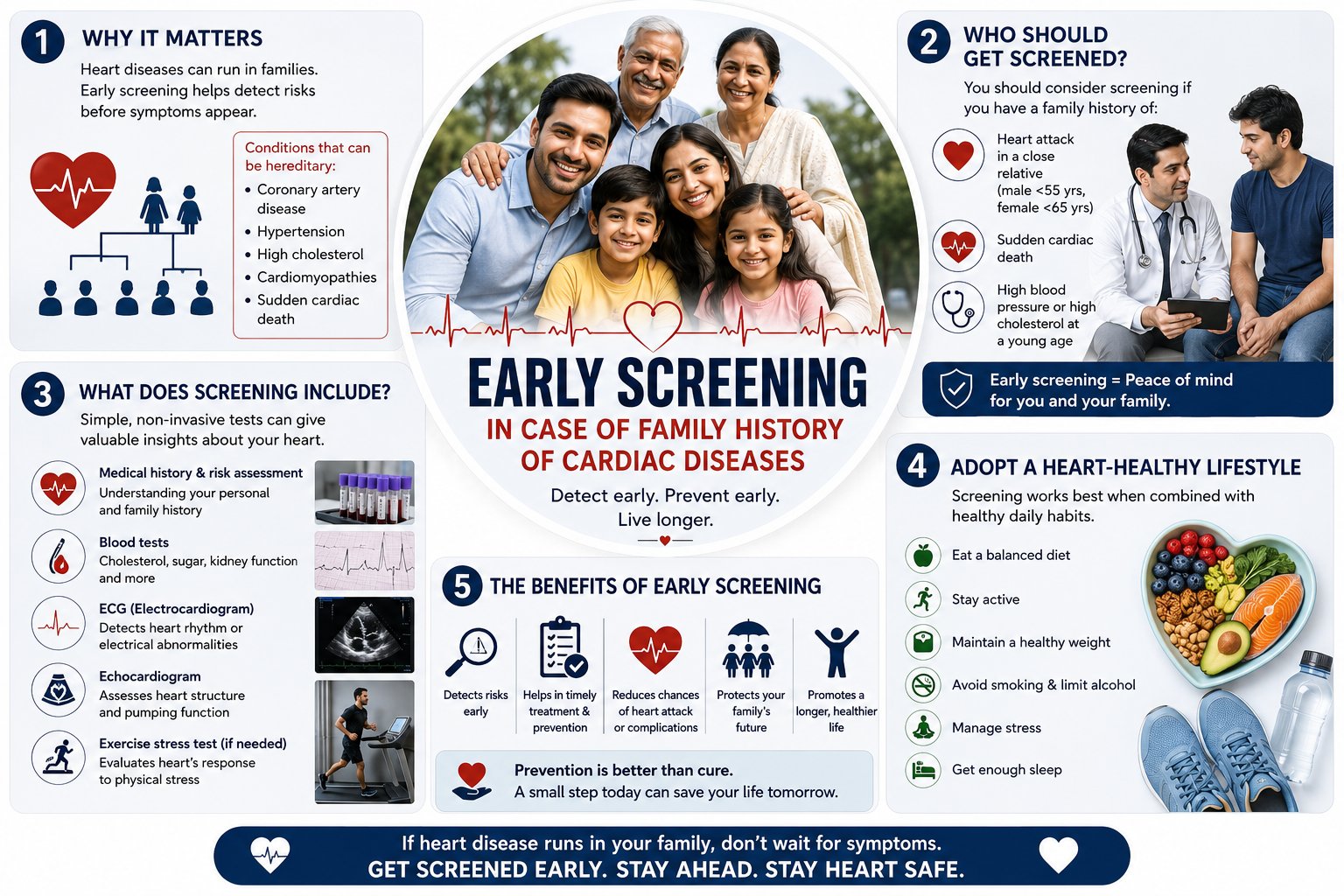
Family History of Heart Disease: What It Means for You
Discover how a family history of heart disease can affect your risk, the importance of early screening, and practical steps to protect your heart.
 Preventive Cardiology
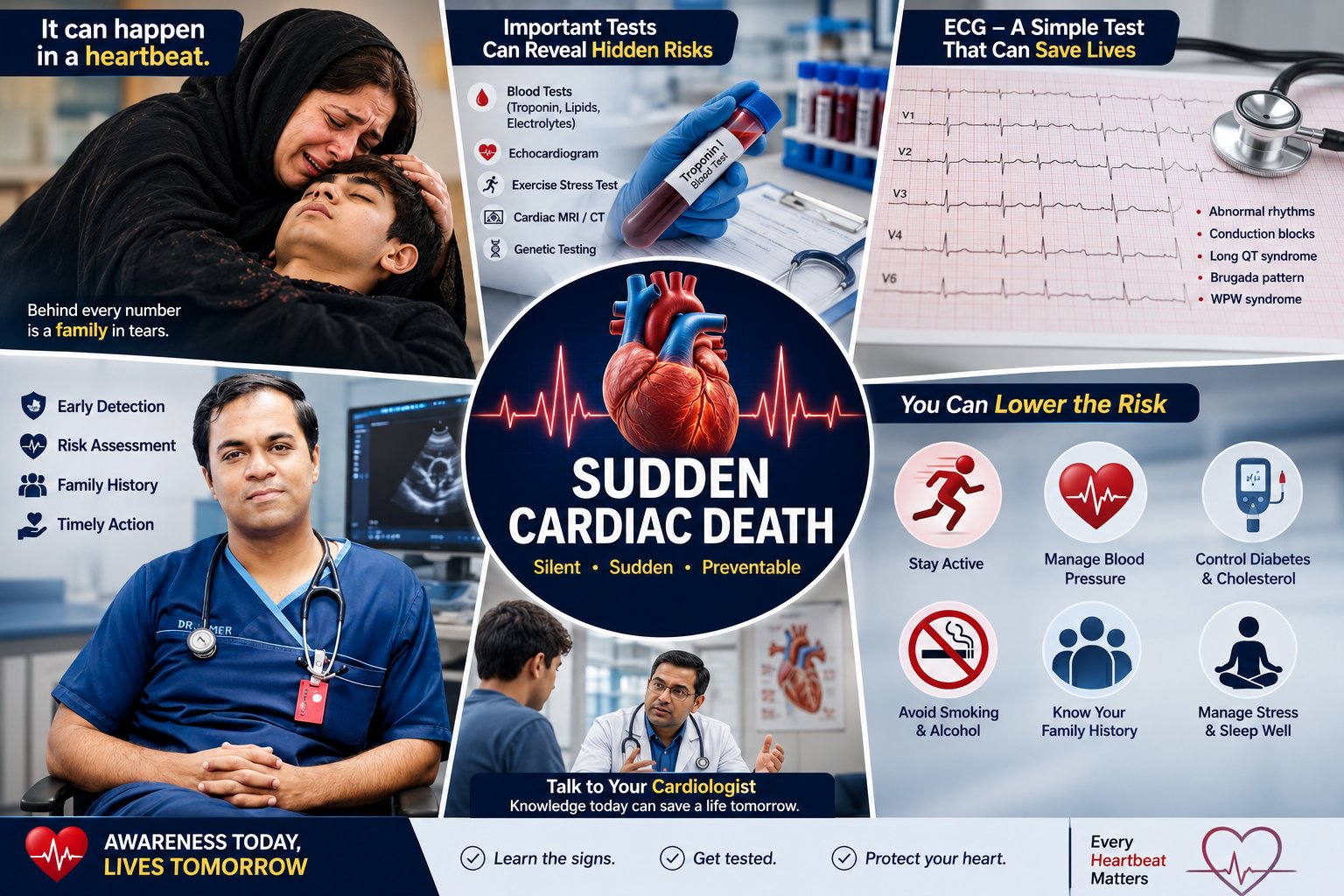
Basic Tests for Family History of Sudden Cardiac Death
Exploring essential tests for individuals concerned about family history of sudden cardiac death.
 Preventive Cardiology
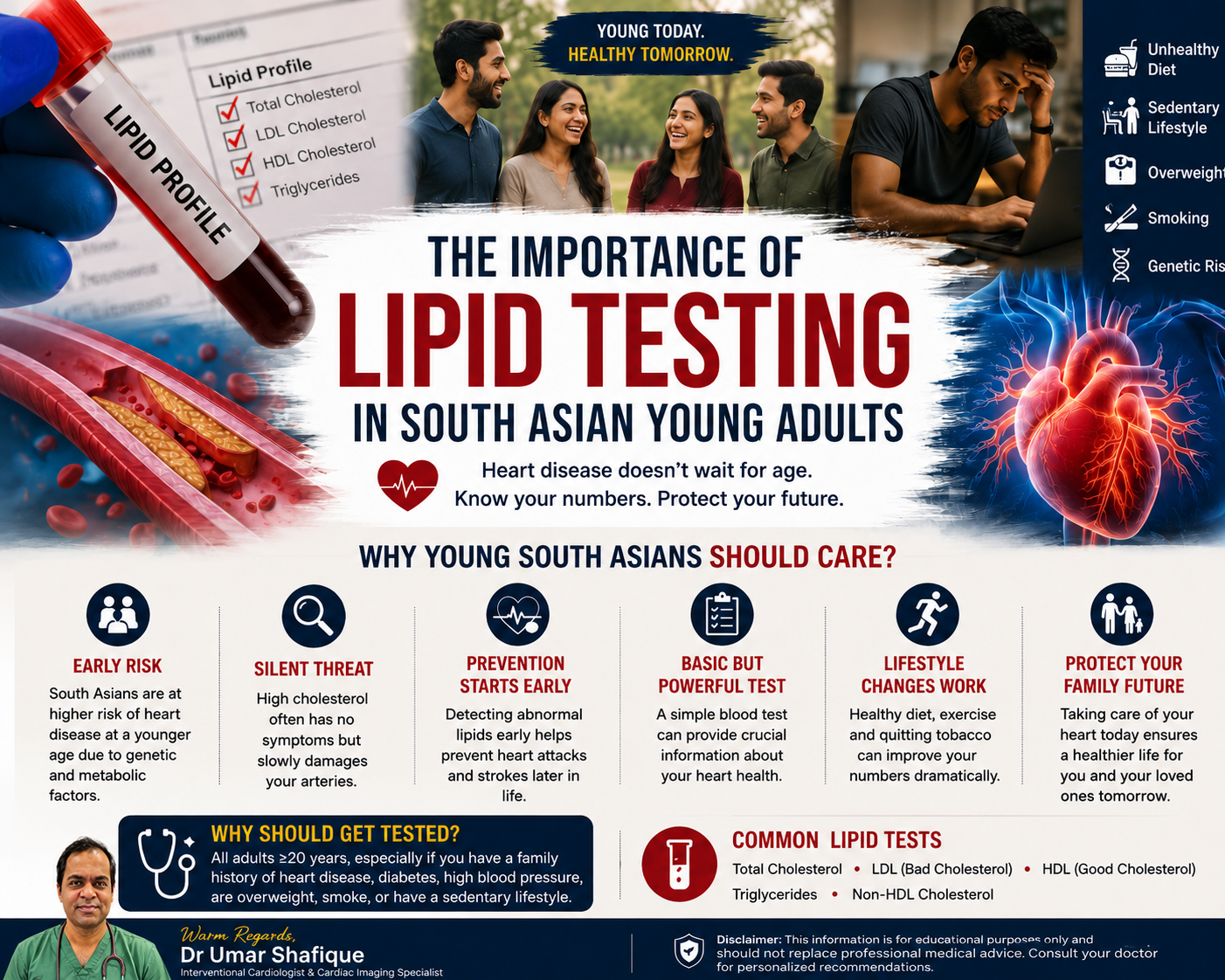
Importance of Lipid Testing in South Asian Young Adults
South Asian young adults are at higher risk of early heart disease. A simple lipid profile can detect silent cholesterol problems before they become dangerous.