Family History of Heart Disease: What It Means for You
Discover how a family history of heart disease can affect your risk, the importance of early screening, and practical steps to protect your heart.
By Dr Umar Shafique
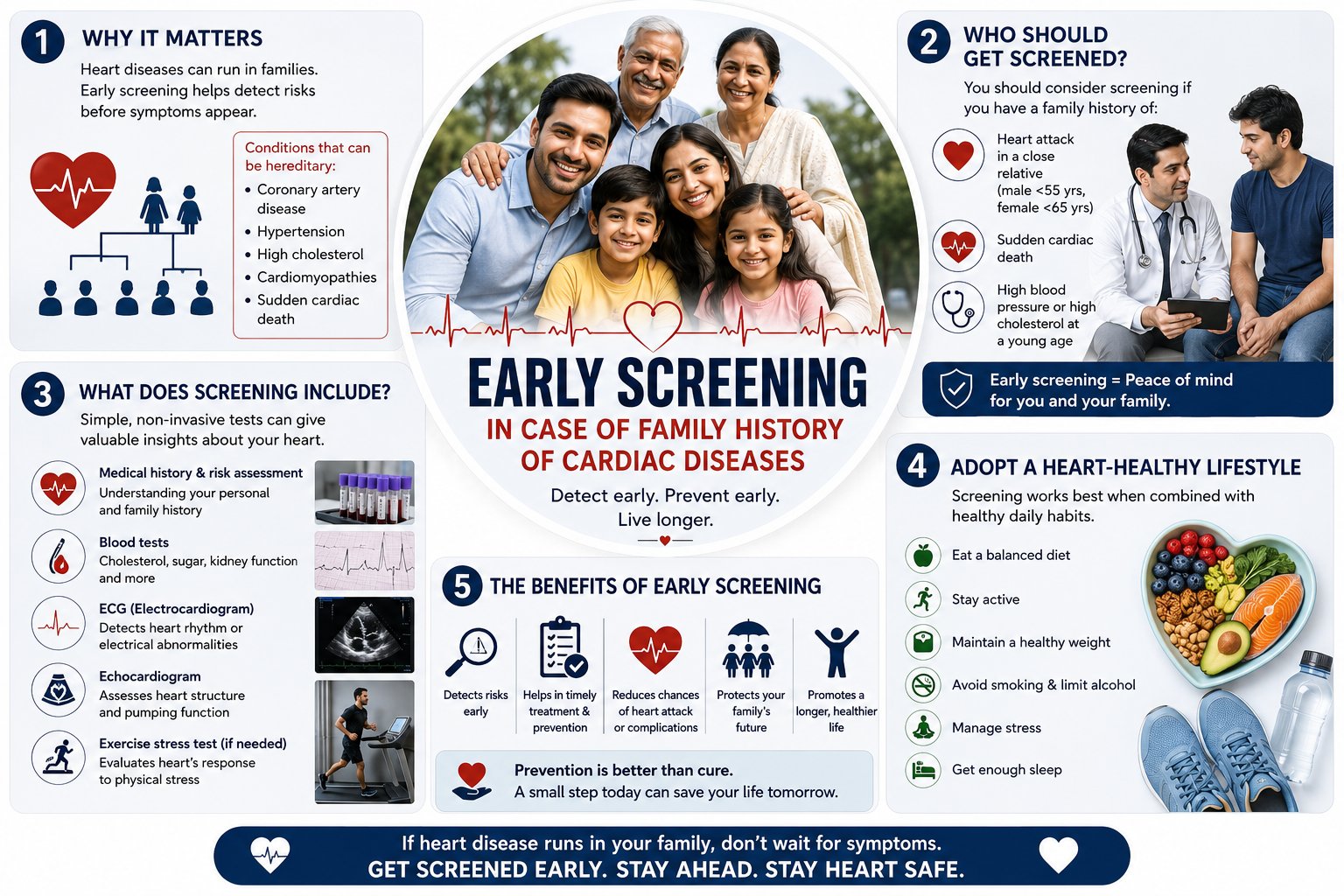
# Family History of Heart Disease: What It Means for You
A family history of heart disease is a powerful indicator of your own risk. In South Asian families, including many in Pakistan, heart disease often appears in first‑degree relatives, suggesting a combination of shared genetics and lifestyle habits. Understanding this risk allows you to take proactive steps before serious problems arise.
Why Family History Matters
- Genetic predisposition: Certain genes linked to high cholesterol or hypertension run in families.
- Shared lifestyle: Dietary habits, physical activity, and stress patterns are often similar among relatives.
- Early warning signs: A family history raises the likelihood of developing heart disease at a younger age.
What You Should Do
- Get a baseline check: Blood pressure, cholesterol, fasting glucose, and body mass index should be measured early.
- Schedule regular screenings: Annual visits or biennial checks can catch changes before they become critical.
- Adopt heart‑healthy habits:
- Diet: Emphasize fruits, vegetables, whole grains, and lean proteins. Limit fried foods and excess salt. - Exercise: Aim for at least 150 minutes of moderate activity per week. - Quit smoking and limit alcohol.
- Keep a symptom diary: Note any chest discomfort, shortness of breath, or palpitations.
Emergency Warning: If you experience chest pain, severe shortness of breath, fainting, or stroke symptoms, seek immediate medical care.
By taking these steps, you can reduce the likelihood of major cardiac events and improve your overall health.
heart-attack warning signs contact Dr Umar Shafique about Dr Umar Shafique
Frequently asked questions
- Q: How soon should I start screening if I have a family history of heart disease?
A: Ideally, begin baseline screenings (blood pressure, cholesterol, glucose) in your early 20s and repeat annually or as advised by your doctor Borrowing from local guidelines.
- Q: Can lifestyle changes completely eliminate my heart disease risk?
A: While genetics play a role, a heart‑healthy diet, regular exercise, and avoiding tobacco can significantly lower your risk.
- Q: What symptoms should prompt me to seek immediate care?
A: Chest pain, sudden breathlessness, fainting, or stroke signs require urgent medical attention.
---
Medical disclaimer. This article is for educational purposes only. It does not replace professional medical advice, diagnosis, or treatment. If you have concerns about your health, please consult a qualified healthcare provider.
Related miniblogs
 Preventive Cardiology
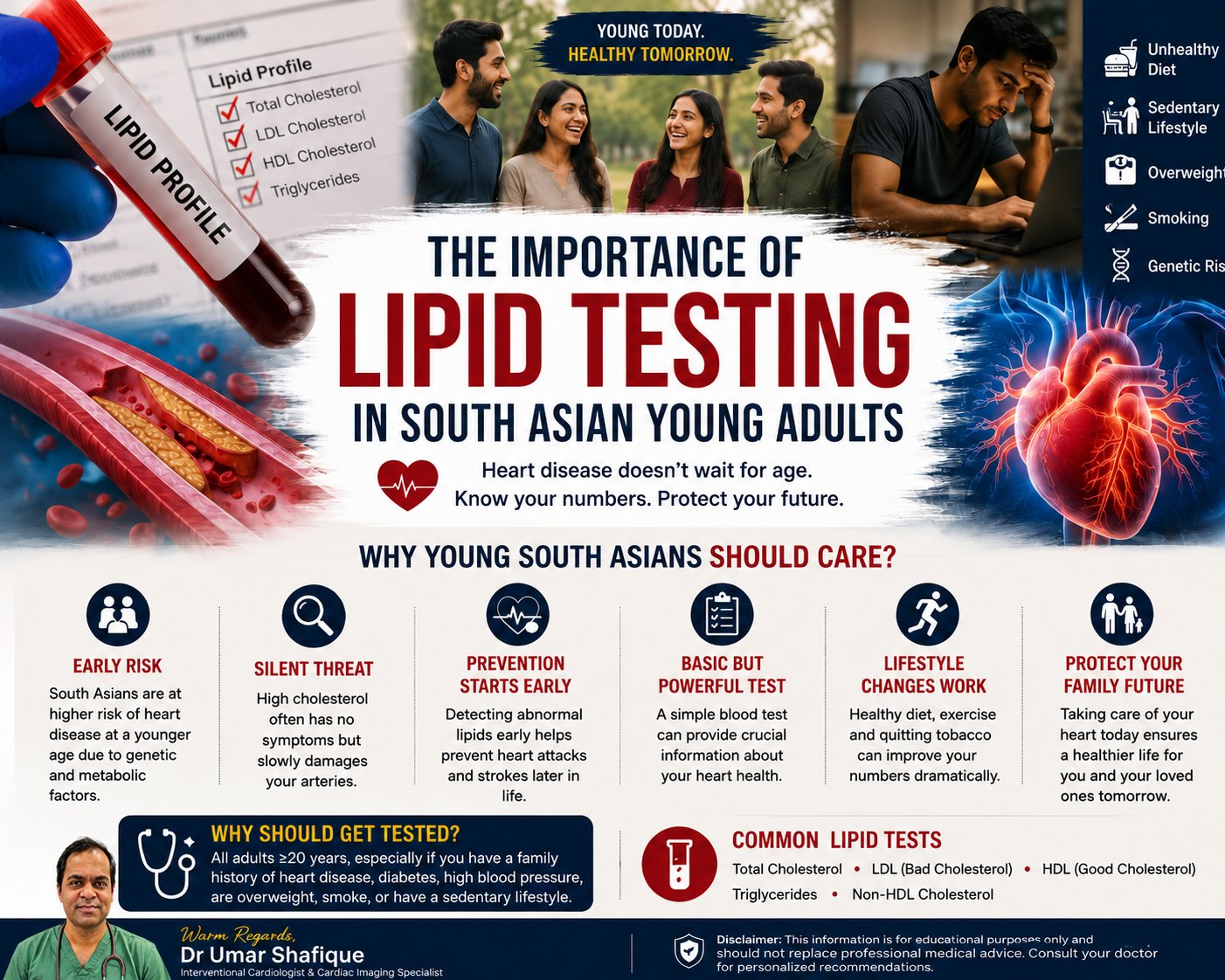
Why Young South Asians Need Early Lipid Testing
South Asians face higher heart‑risk even at a young age. Early lipid testing helps spot problems early, guiding lifestyle changes and treatment before complications arise.
 Preventive Cardiology
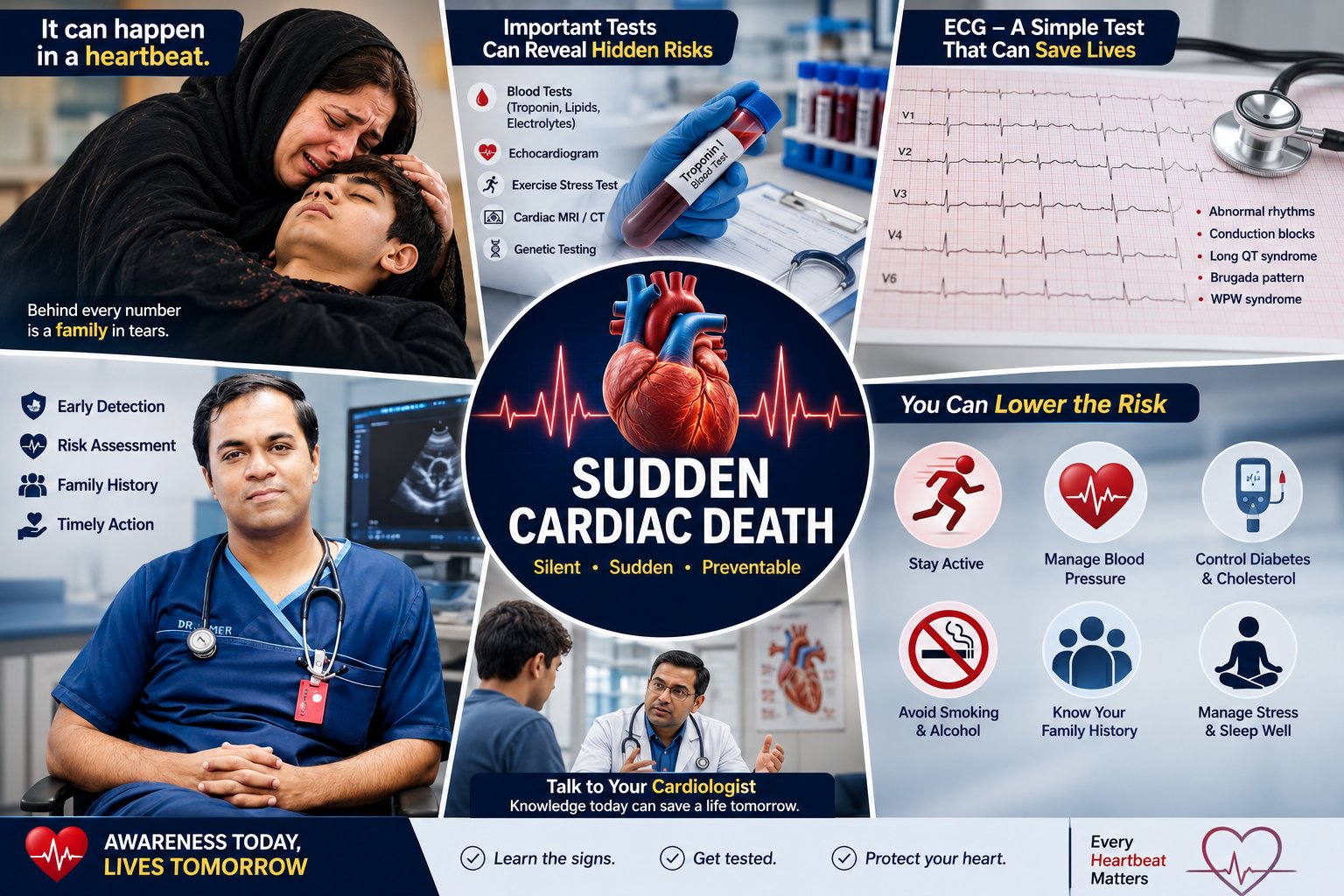
Basic Tests for Family History of Sudden Cardiac Death
Exploring essential tests for individuals concerned about family history of sudden cardiac death.
 Preventive Cardiology
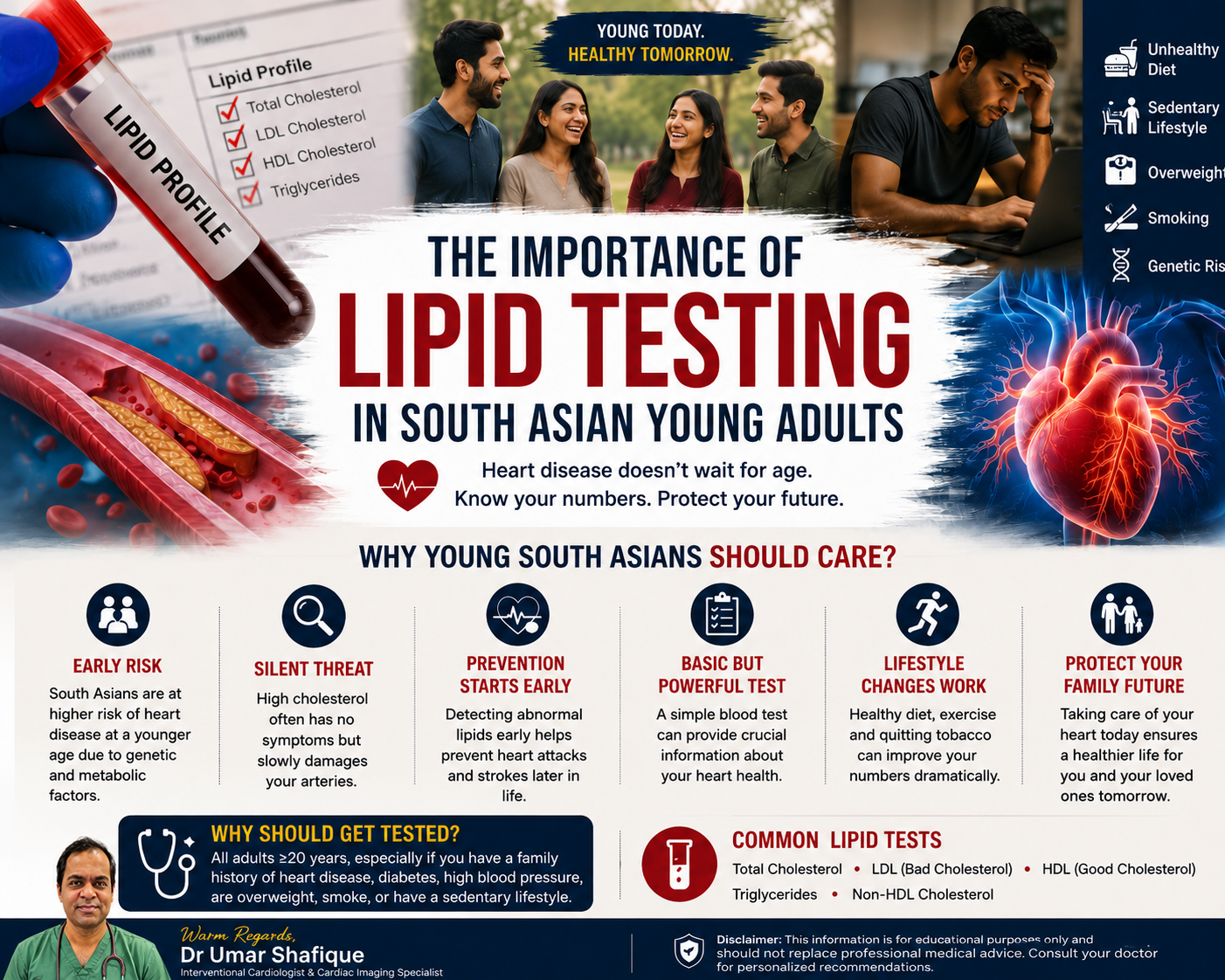
Importance of Lipid Testing in South Asian Young Adults
South Asian young adults are at higher risk of early heart disease. A simple lipid profile can detect silent cholesterol problems before they become dangerous.